Can Drying and Rust Prevention: A Key Challenge in the Food Packaging Industry
In the beverage and food industry, production line efficiency does not depend solely on speed or automation, but also on small details that directly influence the final product quality. One of the most critical, and often underestimated, aspects is the drying of cans after washing, cooling, or transport processes. The presence of residual moisture may seem harmless, but it is actually one of the main causes of oxidation in metal containers, generating both technical and commercial issues.
In this article, we thoroughly analyze the rust problem in cans, its consequences for production, and how industrial drying systems such as AirDryer Can become a strategic solution to ensure quality, safety, and efficiency.
Moisture in Cans: The Origin of Oxidation and Quality Loss
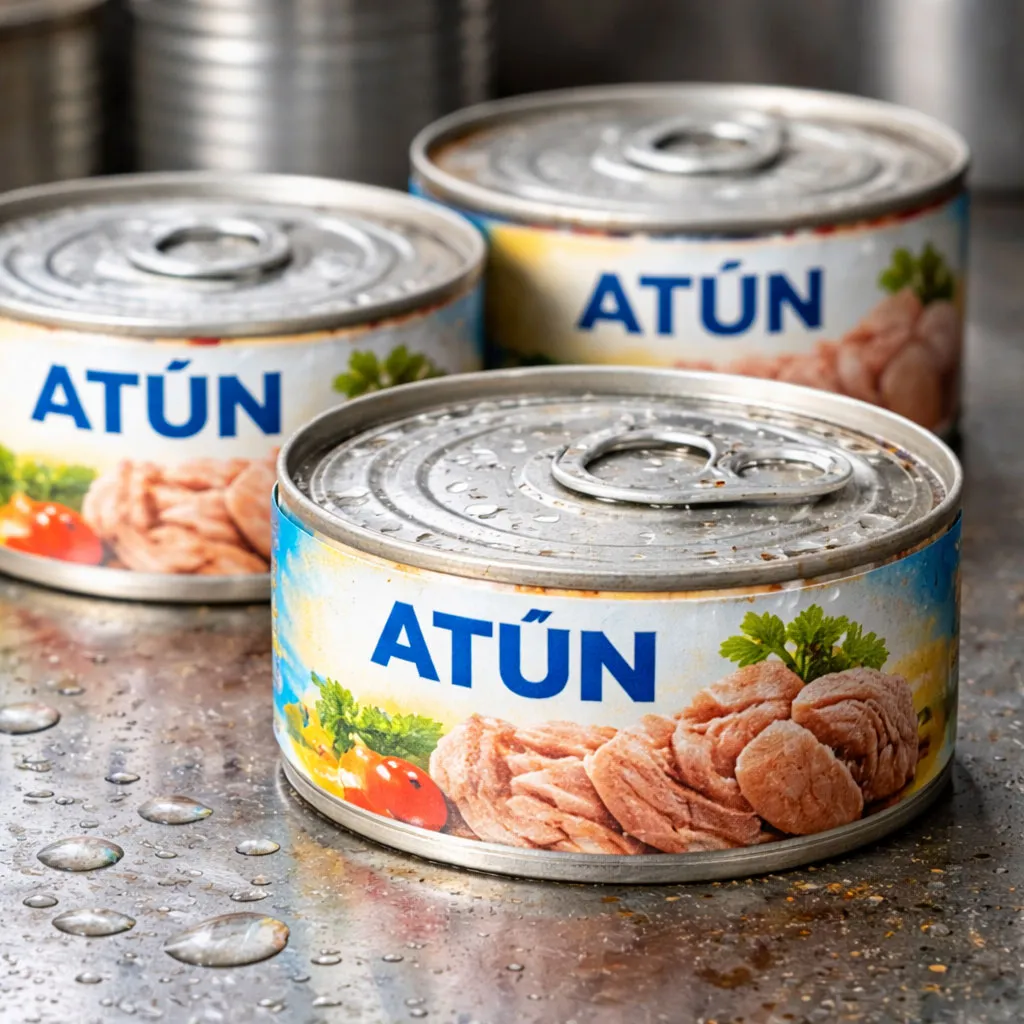
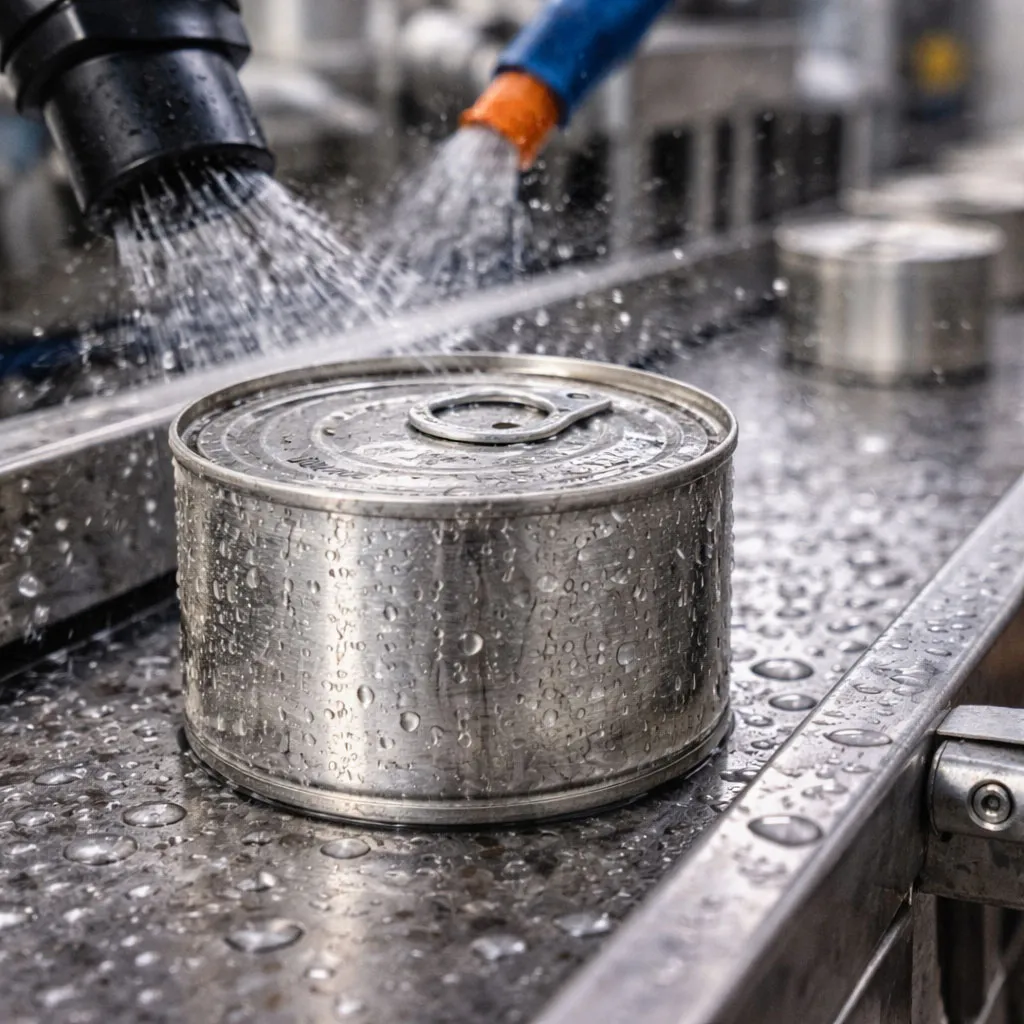
During industrial processes, cans go through different stages where contact with water is unavoidable: pre-filling washing, post-pasteurization cooling, or even condensation due to temperature changes along the line. When this moisture is not properly removed, it remains adhered to the surface of the container.
This residual water film triggers a chemical oxidation process that affects the metal, deteriorating its appearance and, in extreme cases, compromising its structural integrity. Moreover, moisture can interfere with subsequent processes such as labeling, coding, or automatic packaging.
Accurate moisture removal is crucial because, although eliminating most of the water is relatively simple, the real challenge lies in removing that small remaining percentage that causes production failures.
Consequences of Rust in Cans Within the Production Chain
The presence of rust in cans is not only an aesthetic issue. Its effects can impact multiple levels:
- Brand image impact
A rusty container generates distrust among consumers, even if the product inside is in perfect condition. This may lead to complaints, returns, and loss of reputation.
- Issues in labeling and coding processes
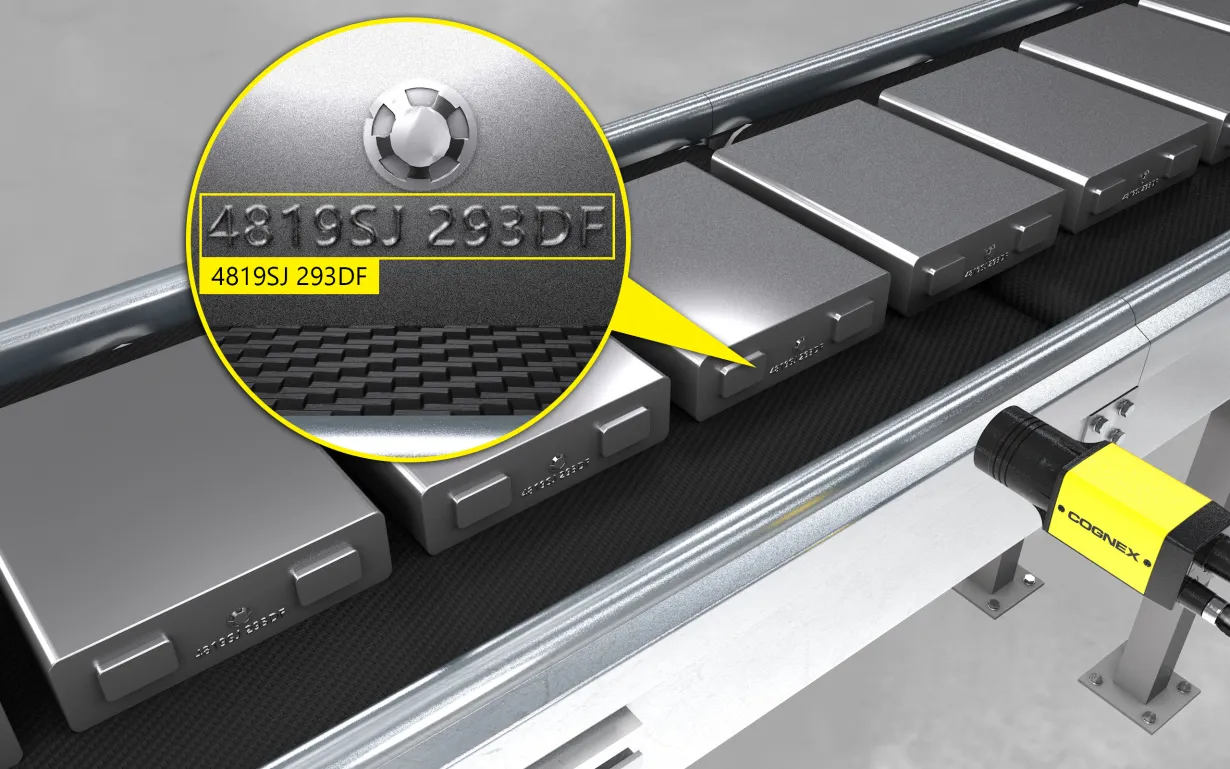
Residual moisture hinders proper label adhesion and can cause errors in printing batch numbers or expiration dates, compromising product traceability.
- Food safety risks
Oxidation can become a contamination source if not properly controlled, affecting container safety and product preservation.
- Operational costs and line downtime
Product rejections, additional cleaning, or machinery adjustments generate downtime and increased production costs.
In high-speed lines, where thousands of cans are processed per hour, these problems multiply exponentially, making drying a critical step in the industrial process.
Industrial Drying as a Preventive Solution Against Rust
To prevent oxidation, it is not enough to remove visible excess water. It is necessary to ensure uniform and efficient drying across the entire container surface, including tops, bottoms, and sidewalls.
This is where industrial drying systems specifically designed for metal cans come into play. Their main function is to remove virtually all residual moisture before the container proceeds to the next stages of the production process.
An optimized system allows:
● Preventing premature container corrosion
● Improving label and code adhesion
● Reducing rejects and returns
● Ensuring flawless final product presentation
AirDryer Can: Advanced Technology for Efficient Can Drying
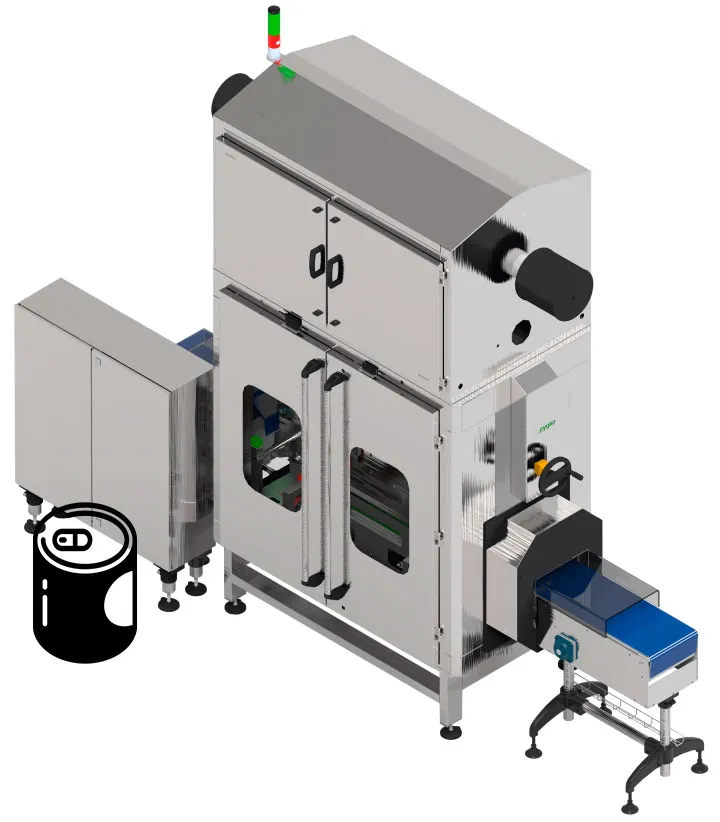
The AirDryer Can system has been developed to directly address moisture, condensation, and water residues from cleaning processes in metal cans, thus preventing oxidation in industrial production lines.
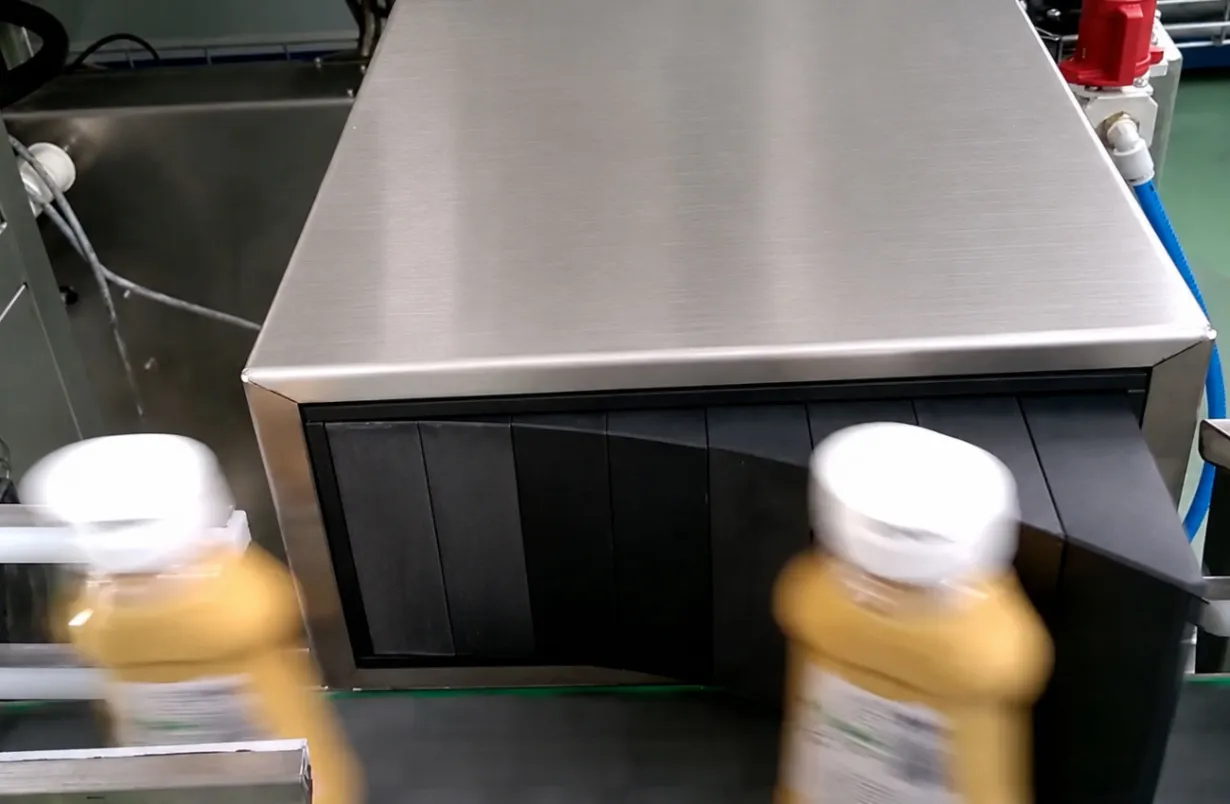
Its design allows easy integration into existing lines, being installed laterally or above the conveyor depending on process requirements. This facilitates installation without modifying the line structure and without interrupting production.
Its main advantages include:
● Removal of up to 98–99% of residual moisture in cans
● Uniform drying on tops, sidewalls, and bottoms
● Adaptation to different formats and production speeds
● Efficient operation even in high-speed lines
Thanks to its high-power centrifugal blower, the system provides a constant airflow that ensures homogeneous and stable drying, virtually eliminating the risk of oxidation.
Additionally, its energy efficiency enables replacement of traditional compressed air solutions, generating significant operational savings and improving the sustainability of the production process.
Strategic Benefits of Preventing Oxidation with a Drying System
Implementing a dedicated can drying system should not be viewed as an expense, but as a strategic investment. The benefits are reflected in both productivity and final product quality:
● Reduction of waste and rejected products
● Improved overall line efficiency
● Greater protection of the container and product
● Compliance with quality and food safety standards
● Increased shelf life and enhanced brand image
In sectors such as beverages, canned foods, or preserved goods, where packaging presentation is as important as the content, ensuring completely dry cans is essential to compete in the market.
Can Drying: A Critical Step to Prevent Rust
The rust issue in cans is not merely a visual inconvenience, but a technical challenge that affects quality, efficiency, and the reputation of companies in the food and beverage industry. Residual moisture, if not accurately removed, can trigger corrosion processes that compromise the entire production chain.
The integration of specialized solutions such as AirDryer Can ensures complete, uniform, and efficient drying, protecting metal containers and optimizing line performance. In an increasingly demanding industrial environment, investing in advanced drying systems is a key decision to guarantee top-quality products and uninterrupted production processes.