Maximising efficiency and savings through computer vision in industrial filling control
Efficiency within a bottling plant is not merely measured by line speed but by the surgical precision with which each container exits the filling station. In such a competitive environment, any deviation in liquid volume can jeopardise operational profitability and the manufacturer's reputation with the end consumer.
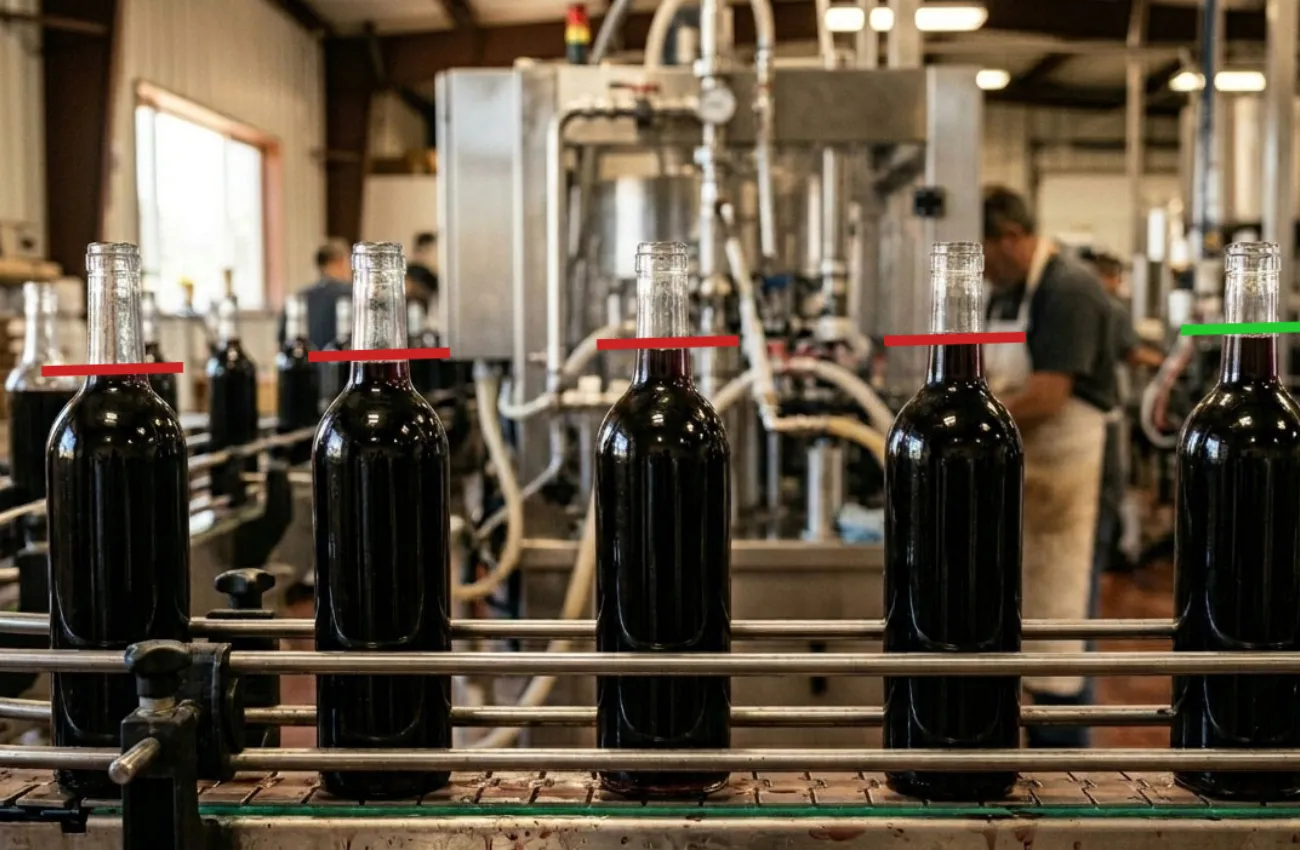
The most significant operational hurdle production managers face is Inconsistent fill levels, a problem that acts as a constant drain on resources. When a company asks how to avoid overfilling bottles in the food industry, the answer lies in implementing inspection systems that guarantee absolute uniformity, eliminating both product waste and legal risk.
Economic impact of fill level control in production
Automation and computer vision are, today, the investments with the highest return on investment (ROI) within the plant. Poor level control generates a chain reaction of inefficiencies that affect various areas of the organisation.
● Direct losses due to overfilling: Excess product in each bottle may seem insignificant individually, but in productions of thousands of units per hour, it translates into tonnes of raw material given away by the end of the year.
● Regulatory compliance risks: Underfilled bottles not only damage brand perception but can lead to severe penalties for failing to meet the net content declared on the labelling.
● Instability in secondary packaging: Uneven levels can affect sealing or cap placement, causing spills that foul machinery and halt production.
One of the most complex technical barriers for conventional sensors is Foam formation, a physical phenomenon that inevitably occurs during the pouring of carbonated liquids, dairy, or detergents. This surface layer deceives traditional optical measurement systems, leading to erroneous readings and unacceptable variability in the final fill.
CheckLevel: the definitive technology for container precision
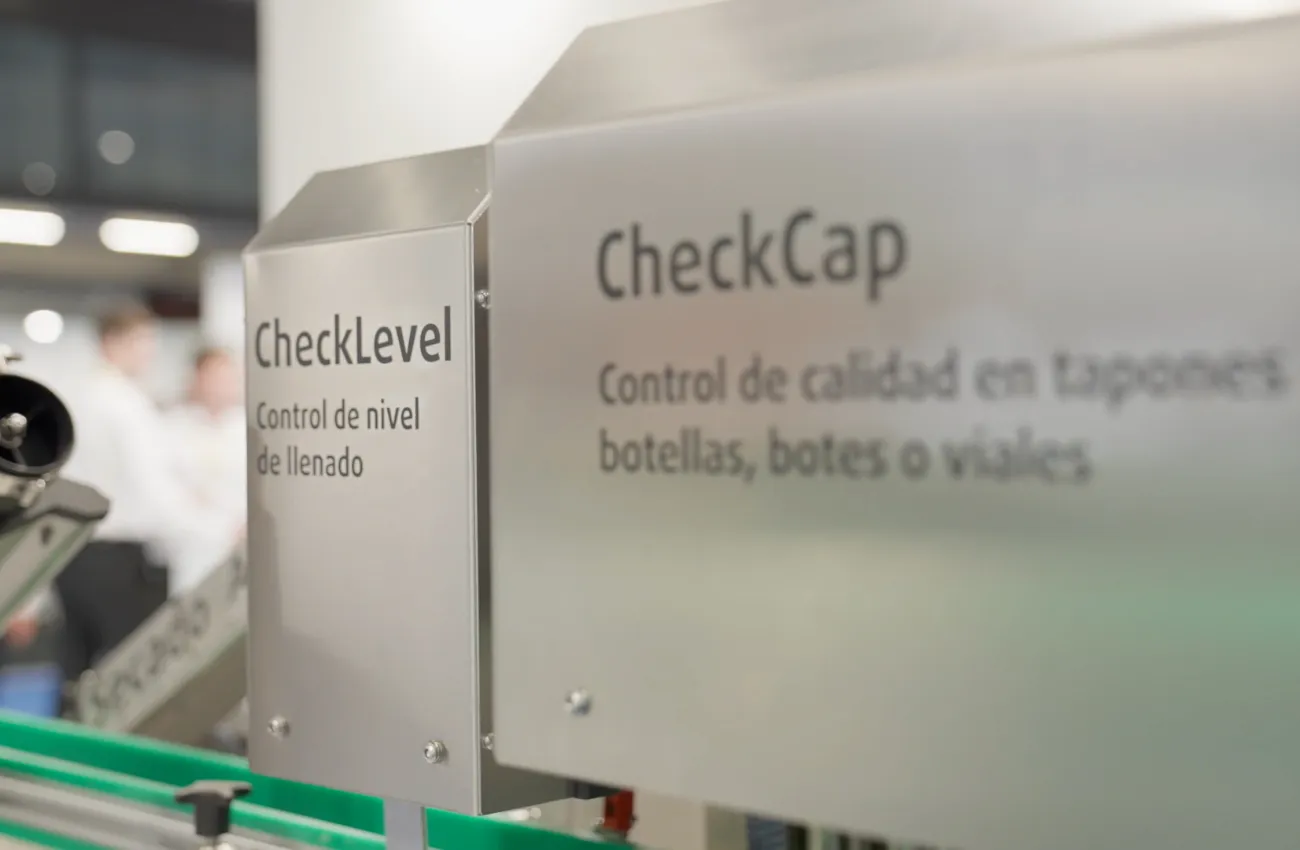
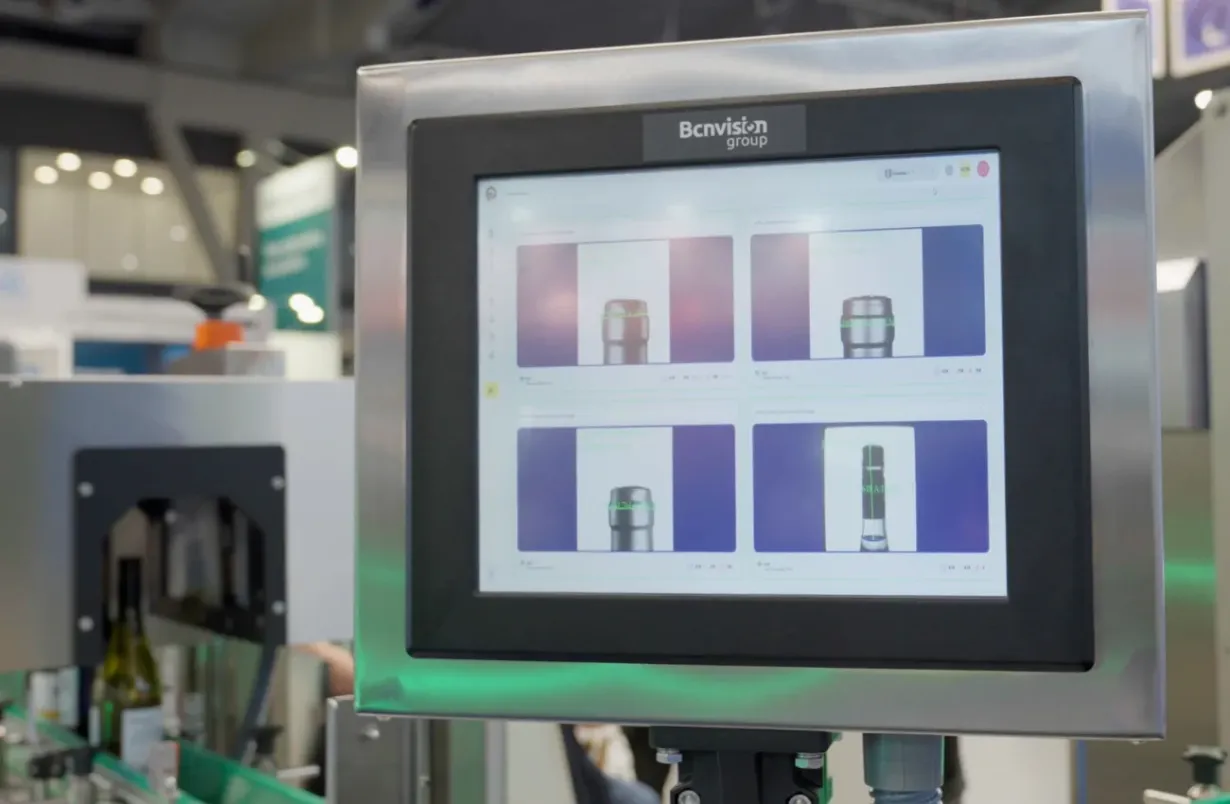
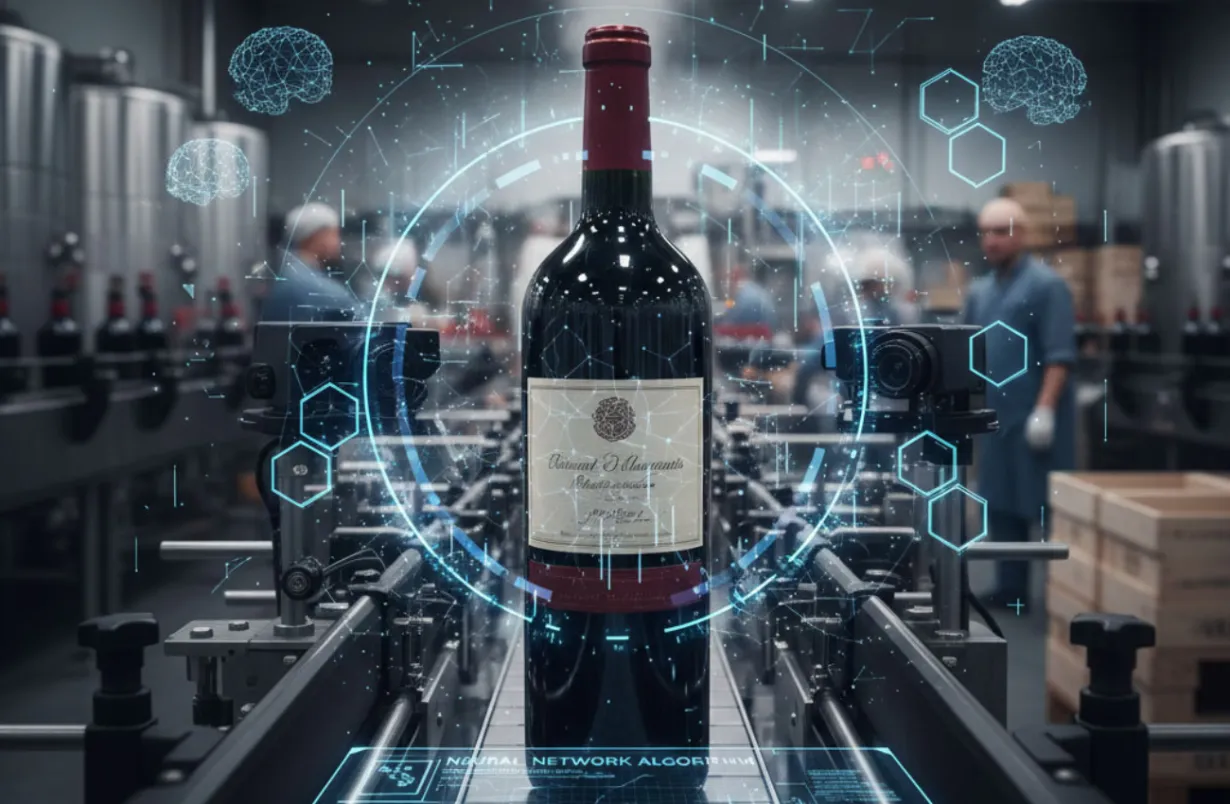
To mitigate these failures, the industry has evolved towards advanced inspection solutions that integrate artificial intelligence and artificial vision. The CheckLevel system, developed by Bcnvision Group, emerges as the technical answer to questions such as: what is the best system for level control in glass or PET bottles? All through non-intrusive analysis capable of high-speed inspection.
- Intelligent foam discrimination: Thanks to Artificial Intelligence, the system is able to measure the liquid level even in products that generate foam during filling.
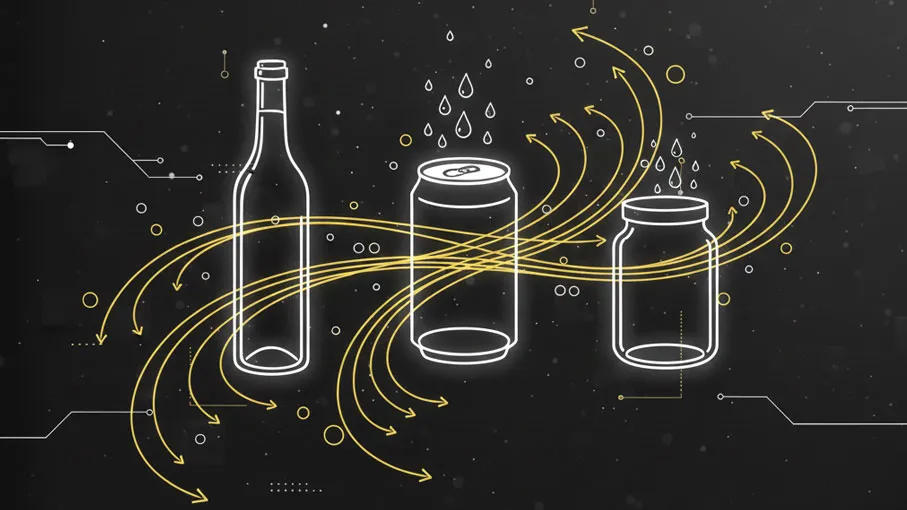
- Multi-format inspection: It adapts to different container geometries and glass colours, ensuring that product traceability is not interrupted by changes in the catalogue.
- Real-time integration: It enables the automatic rejection of defective units before they reach the palletising stage, ensuring that 100% of production is compliant.
Maintaining excellence in quality control requires tools that understand the physics of the product and the demands of Industry 4.0. Implementing a robust solution is not merely a matter of aesthetic quality; it is a financial strategy to protect profit margins and ensure that every drop of product ends up exactly where it should.