3D Vision and AI for Tuna Cutting with Automated Portioning
The food industry is undergoing a technological revolution that enhances precision, efficiency, and sustainability in production processes. One of the standout innovations is the integration of 3D vision and artificial intelligence (AI) in automated tuna cutting and portioning. This technology has significantly improved the automated tuna cutting process, creating a more efficient, precise, and cost-effective method.
How Does 3D Vision and AI Technology Work in Tuna Cutting?
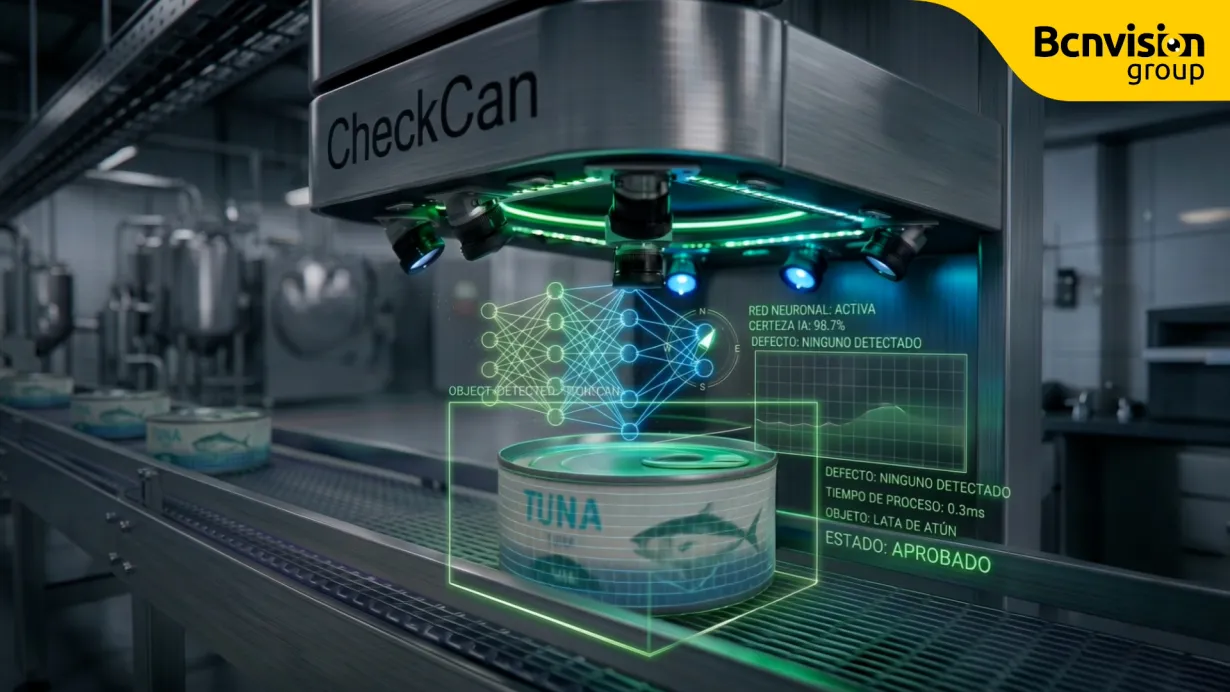
The use of 3D vision and AI in tuna cutting focuses on achieving exact portions without physical contact, improving both the quality and productivity of the process. Thanks to the precision of these systems, it’s possible to control the shape, weight, and size of each piece of tuna before it’s cut. This approach not only optimises resources but also reduces waste and enhances the final product's quality.
- 3D Scanning: Contactless Measurement
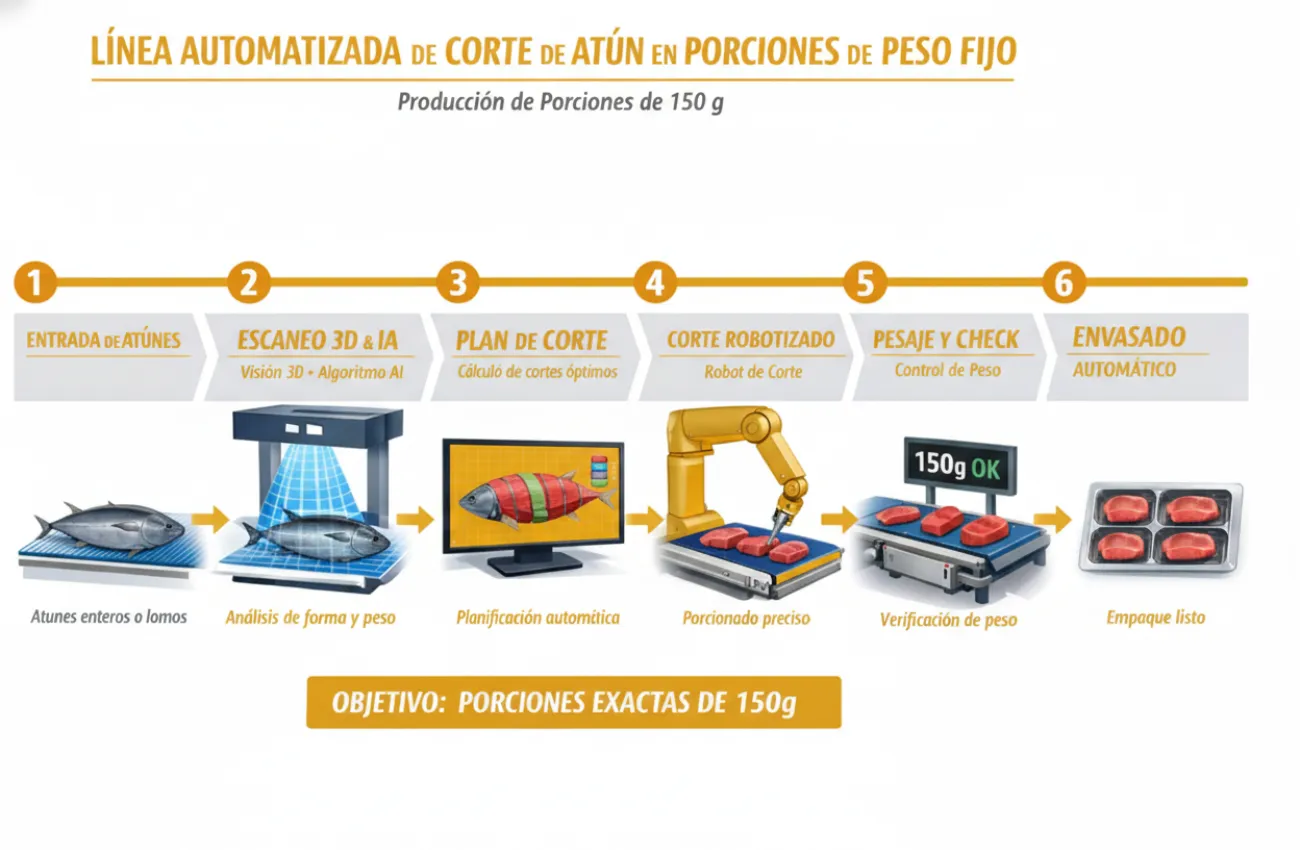
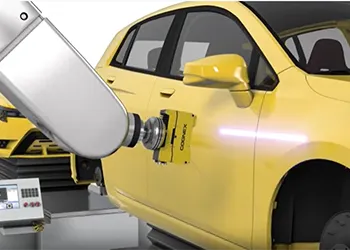
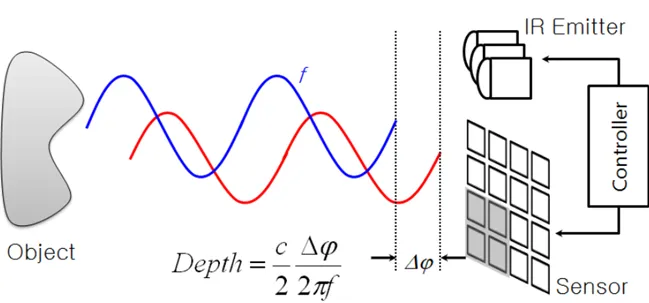
The process begins with the 3D scanning of the tuna, either whole or in loins. Using advanced technologies such as laser triangulation, structured light, or Time-of-Flight (ToF), the system generates a 3D point cloud that accurately reconstructs the fish's geometry. This allows for precise data on the shape and volume of the tuna without touching the product.
- Weight Estimation with AI
After scanning, artificial intelligence takes over. The system analyses the 3D volume of the tuna and correlates it with historical weight data. Using trained AI models, the exact weight of each piece is estimated, achieving an error margin of less than 2%, which is ideal for high-volume industrial processes. This estimation is crucial for tuna, as its density varies depending on the species and fatty areas.
- Smart Cutting Plan
Once the weight is estimated, the system generates a smart cutting plan. This plan is vital for maximising the number of correct weight portions, minimising unnecessary cuts. At this stage, AI simulates different cuts and selects the best ones to meet the weight specifications, such as portions of 150g with a ±2g tolerance. The cutting plan is then sent to the cutting robot for execution.
Benefits of Automated Cutting with 3D Vision and AI
Implementing 3D vision and AI in tuna cutting brings numerous key benefits for the food industry:
● Reduced Waste
Thanks to the optimised cutting with AI, unnecessary cuts are minimised, meaning more parts of the tuna are utilised. This helps reduce waste and improves the profitability of the process.
● Improved Product Quality
The precise control over the weight and shape of the portions ensures that every piece of tuna meets the required quality standards. The use of advanced technology eliminates variability in cuts, resulting in a more consistent and higher-quality product.
● Increased Efficiency and Productivity
Automating the process not only speeds up cutting but also boosts production capacity without compromising quality. This system enables companies to process large volumes of tuna quickly and accurately, which is crucial for meeting growing demand.
● Inline Weighing and Real-Time Verification
After cutting, inline weighing is performed to ensure that the portions meet the specified weight limits. This real-time verification ensures that all portions are within the required standards before moving on to the packaging process.
The Most Used Technology in Tuna and Other Delicate Products
The integration of 3D vision and AI is becoming increasingly common in the food industry due to its advantages over traditional cutting methods. Previously, tuna cutting relied on manual weighing, fixed-length cutting, or scales before cutting. While useful at the time, these methods didn’t offer the same precision or flexibility as the current automated systems.
The 3D vision and AI technology is especially popular in products like salmon, chicken, and meat, where precision in cutting and weight control is essential to ensure consistent product quality. This technology has proven to be more efficient, scalable, and, most importantly, reliable for high-volume food production.
Typical Implementation in Tuna Cutting Lines
A typical tuna cutting line with 3D vision and AI follows this architecture:
● Conveyor Belt: The tuna is efficiently transported along the line.
● 3D Scanner and Lighting: Scanning is done to obtain precise data on the shape and volume of the tuna.
● Vision Software + AI: The AI system analyses the data and generates a cutting plan based on the target weight.
● Cutting Robot or Waterjet: The physical cutting is done according to the AI-generated plan.
● Inline Weighing: The weight of each portion is verified in real-time.
● Automated Packaging: Finally, the portions are sent for automated packaging.
Why Choose 3D Vision and AI for Tuna Cutting?
Adopting this technology has become crucial for those looking to improve precision, efficiency, and sustainability in tuna and other food product processing. 3D vision and AI allow companies to overcome the limitations of traditional methods and offer more consistent and higher-quality products.
The automated tuna cutting process, driven by these advanced technologies, has proven to be one of the most effective solutions in the food industry. With its ability to improve productivity, reduce waste, and increase efficiency, it represents a smart investment for the future of the seafood industry.
>>View related products<<