CheckCan, AI-powered can inspection for quality control, format changes and bottom closure inspection
On can production lines, speed leaves no room for error. Every container must leave the line with the correct format, a properly executed closure, a readable code and the required integrity to reach the end consumer without issues. The challenge is that, when thousands of units are moving through the line every hour, manual inspection or an inflexible system can quickly become a bottleneck.
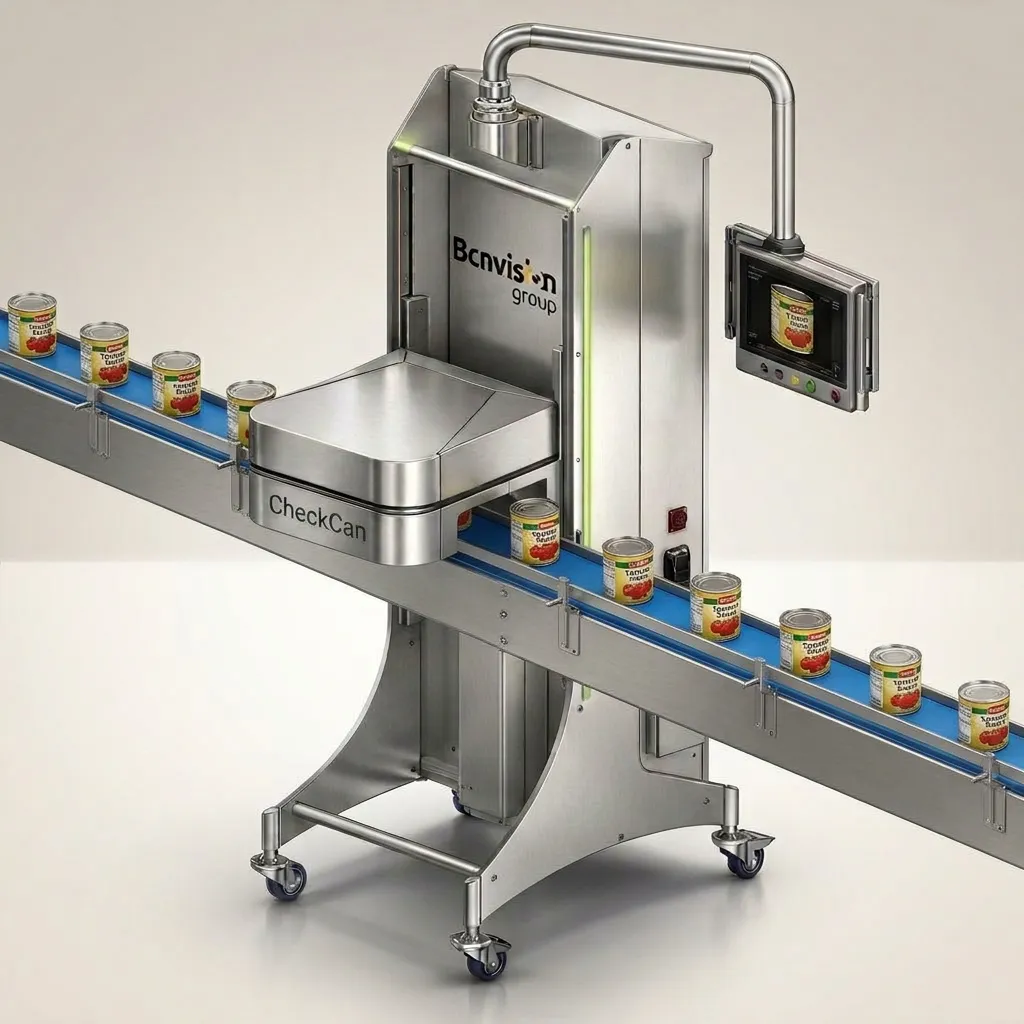
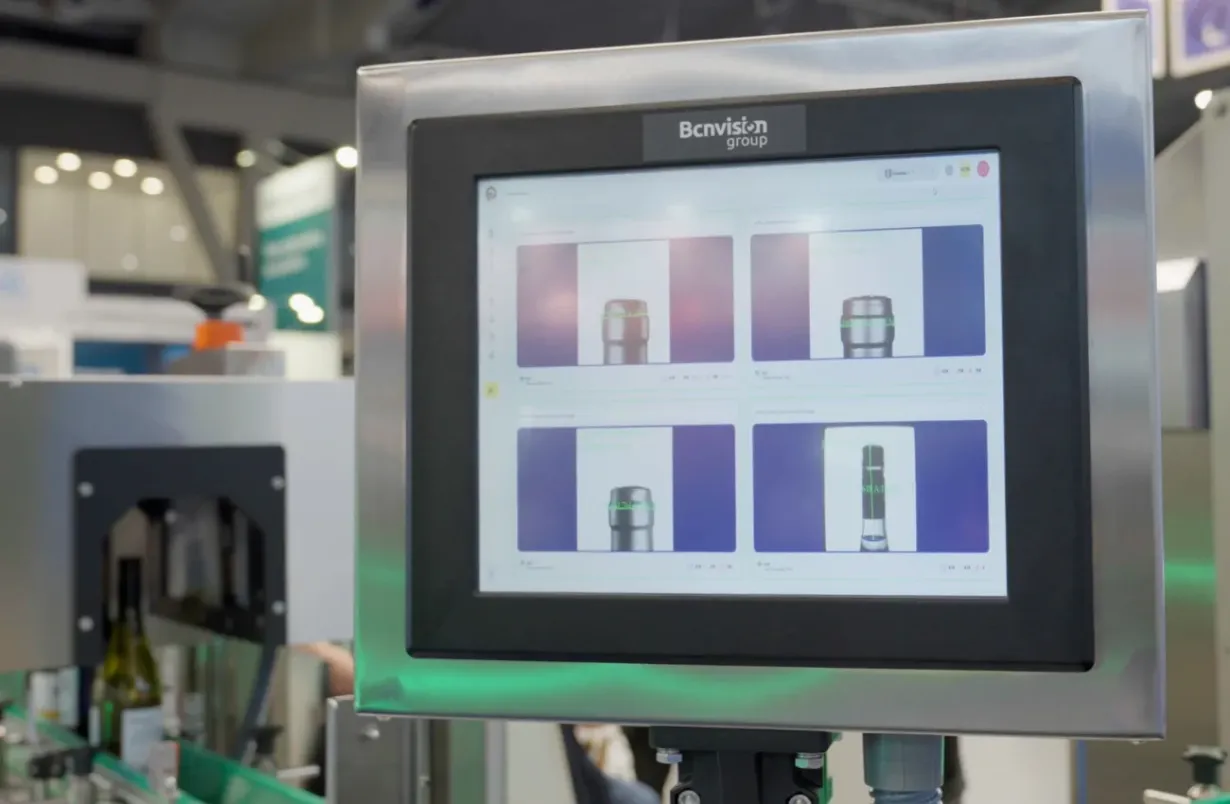
This is where CheckCan comes in, Bcnvision’s solution for high-speed can inspection using machine vision and artificial intelligence. Its purpose is clear: to help manufacturers detect defects, reduce false rejects, improve traceability and adapt quickly to different can formats without making production more complex.
The challenge: inspecting more, better and without slowing down the line
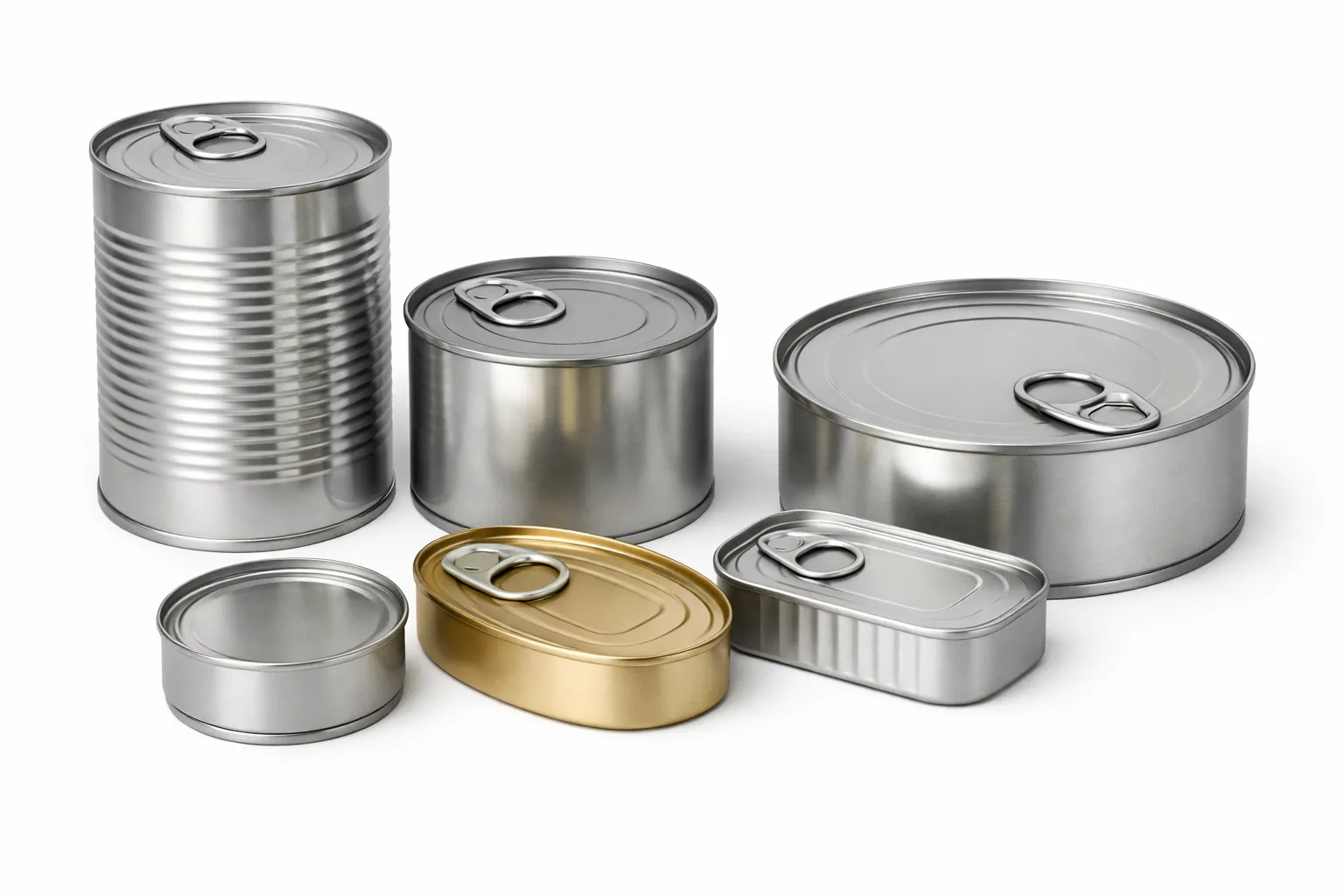
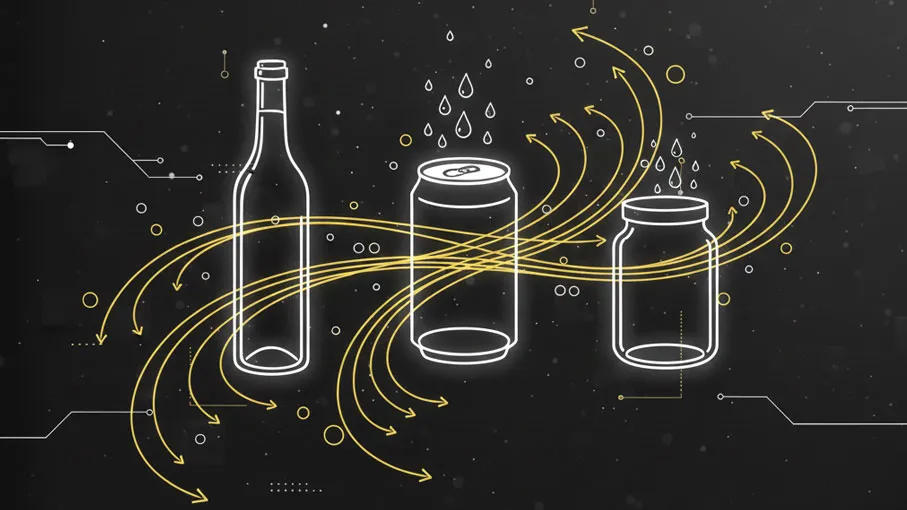
The food and packaging industries work with an increasingly wide variety of formats: cylindrical, rectangular and oval cans, with different heights, diameters and designs. This means inspection systems must be flexible, but also highly accurate. It is not enough to detect an obvious dent; the system must also identify subtle defects, closure issues, OCR reading errors or anomalies in the ring pull.
In many plants, creating or adjusting new formats is usually a costly task in terms of time and resources. Each change may require technical adjustments, validations and tests before the system can return to stable operation. CheckCan has been designed precisely to address this problem: to simplify automatic format changes and adjustments, allowing the line to adapt much more quickly to real production needs.
Format creation in minutes: less dependency and more agility
One of CheckCan’s main differentiating values is the ability to create new formats in minutes. This represents an important step forward compared with more rigid systems, where each new container may involve complex configuration work and extended downtime.
For a factory, this agility has a direct impact on productivity. Reducing adjustment time means launching new products faster, responding more effectively to changes in demand and minimising unproductive downtime. In addition, by simplifying format management, the production team gains autonomy and the system becomes easier to scale.
Artificial intelligence allows CheckCan to go beyond traditional rule-based vision. The system learns from detected defects, feeds back into itself and improves its ability to distinguish between an acceptable variation in the container and a real defect. This helps increase inspection accuracy and reduce unnecessary rejects.
Bottom closure inspection: an essential but often unresolved need
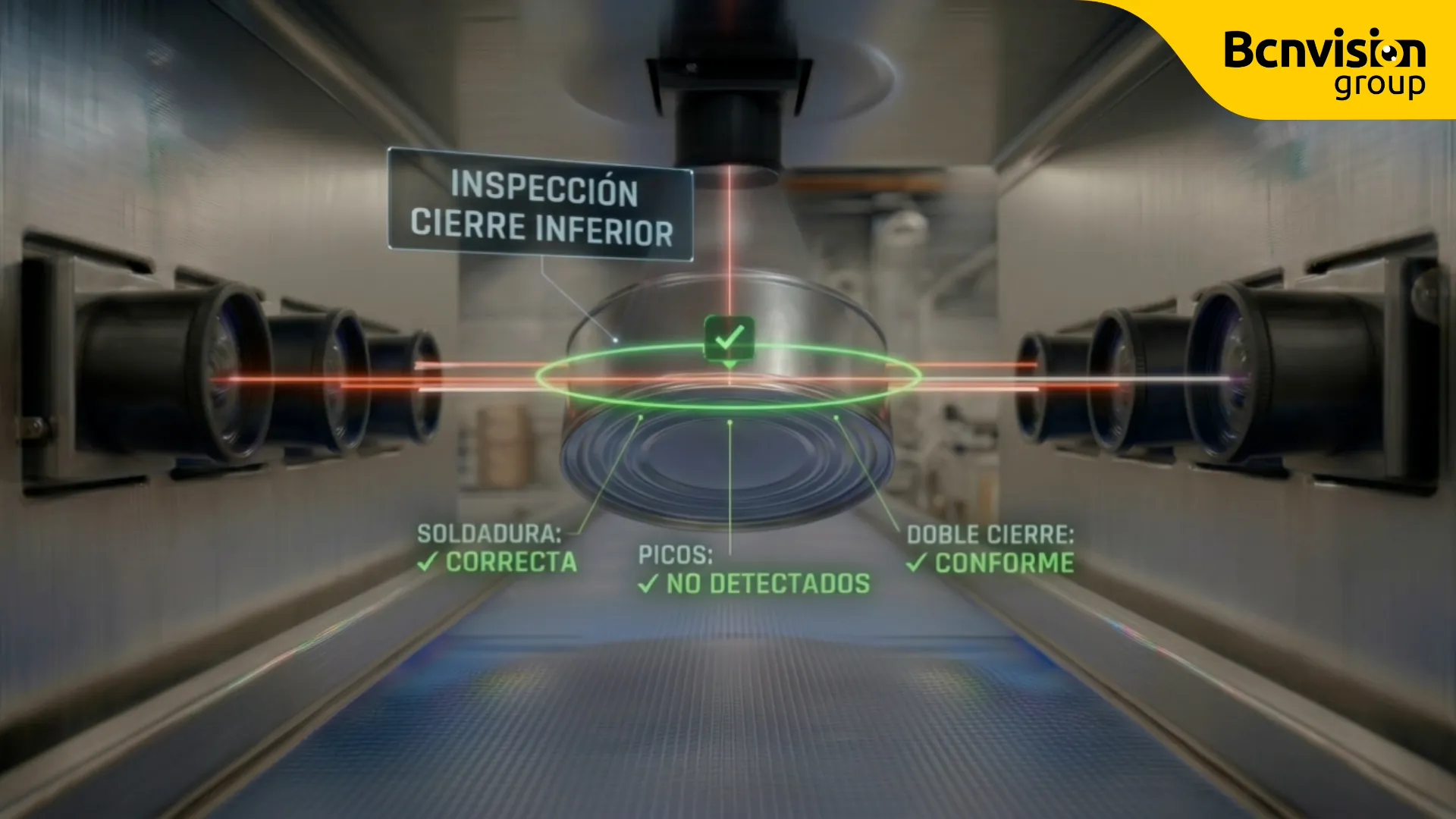
Another particularly important point is the inspection of the bottom closure of the can. In the sector, top closure inspection is usually more common, but the lower part of the container can also present critical defects, such as welding issues, peaks or defective double seams.
Having this inspection integrated into the solution provides a significant advantage: it allows manufacturers to check an essential area that is often less thoroughly addressed within can quality control. Detecting these issues before the product continues along the production chain helps prevent later problems, product losses and potential claims.
360º control for safer and more traceable cans
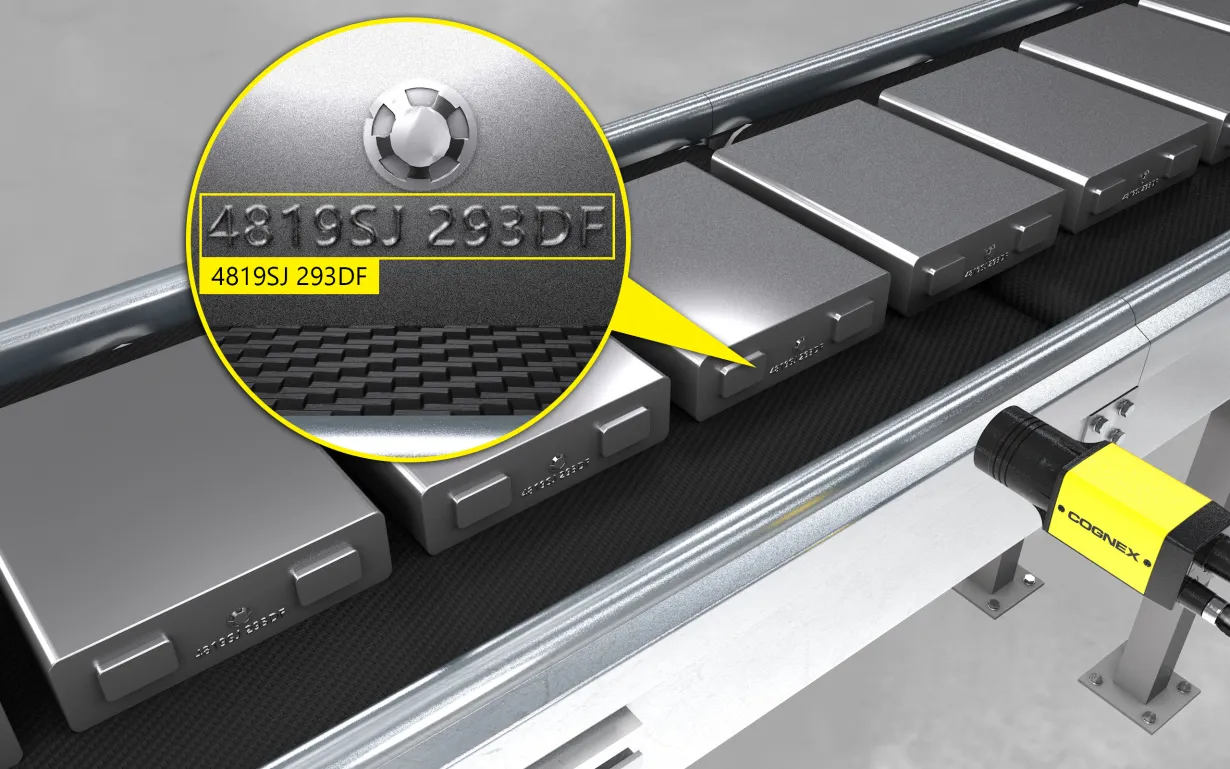
CheckCan can be configured according to the needs of each line, from basic inspections to more advanced controls. Its capabilities include upper closure inspection, bottom closure inspection, OCR reading, ring pull integrity, detection of side dents, impacts, pits and scratches on the upper surface.
This 360º vision makes it possible to control different critical points of the container with a single solution, while maintaining fast and reliable inspection, even on high-production lines. In addition, reading and validating information helps strengthen traceability and compliance with quality and safety standards.
A solution designed for demanding production lines
CheckCan is designed for environments where speed, precision and flexibility are essential. On high-output lines, correctly inspecting every can not only improves final product quality, but also reduces costs linked to rejects, rework and undetected errors.
For manufacturers working with multiple formats who need to guarantee quality without compromising performance, CheckCan is a particularly valuable solution. Its combination of machine vision, artificial intelligence, fast format changes and bottom closure inspection responds to very specific problems within the sector.
Ultimately, CheckCan is not just a can inspection system: it is a tool for producing with greater safety, greater control and greater adaptability.