Most common problems in container capping and how to detect them in time
In a production line, container capping may seem like a simple stage: place the cap, secure the closure and move on to the next step. However, in sectors such as food, beverages, cosmetics and pharmaceuticals, this process is critical to ensuring product safety, container integrity and consumer confidence.
A capping error does not only create a defective unit. It can lead to leaks, contamination, customer complaints, product recalls, line stoppages and damage to brand reputation. For this reason, quality control in caps, lids and closures has become a strategic point in industrial production.
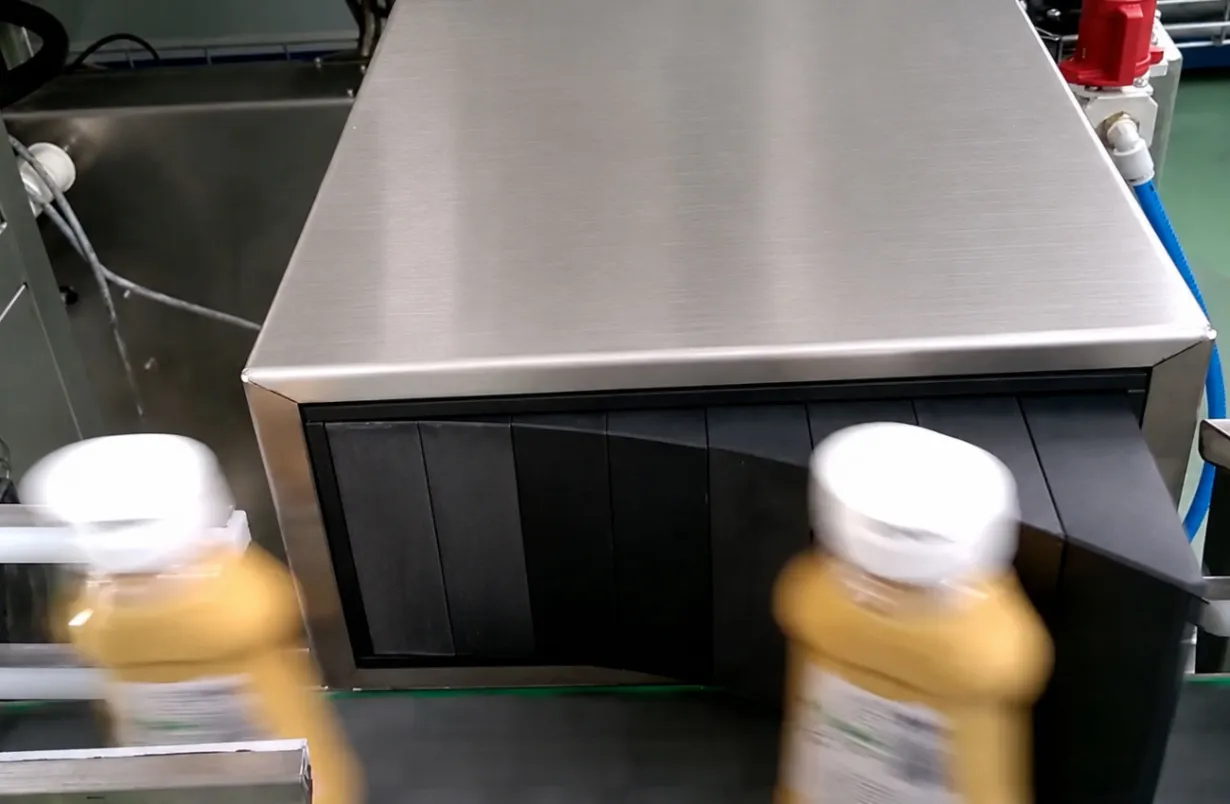
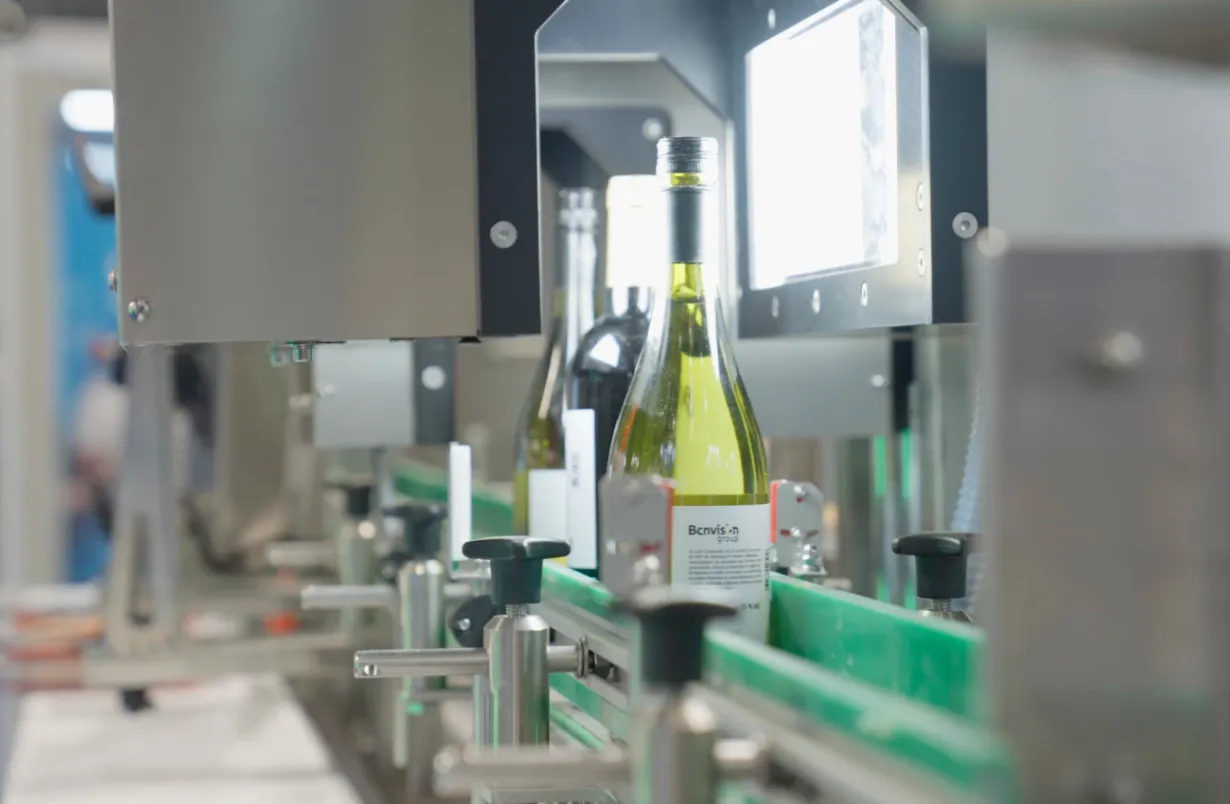
In this context, solutions such as CheckCap by Bcnvision make it possible to inspect the condition of the cap directly on the production line, without interrupting the flow of containers. This helps manufacturers detect defects automatically and reliably. CheckCap is an industrial machine vision system designed to control the quality of caps, lids and closures on containers, helping to protect product integrity.
Misaligned or incorrectly positioned caps
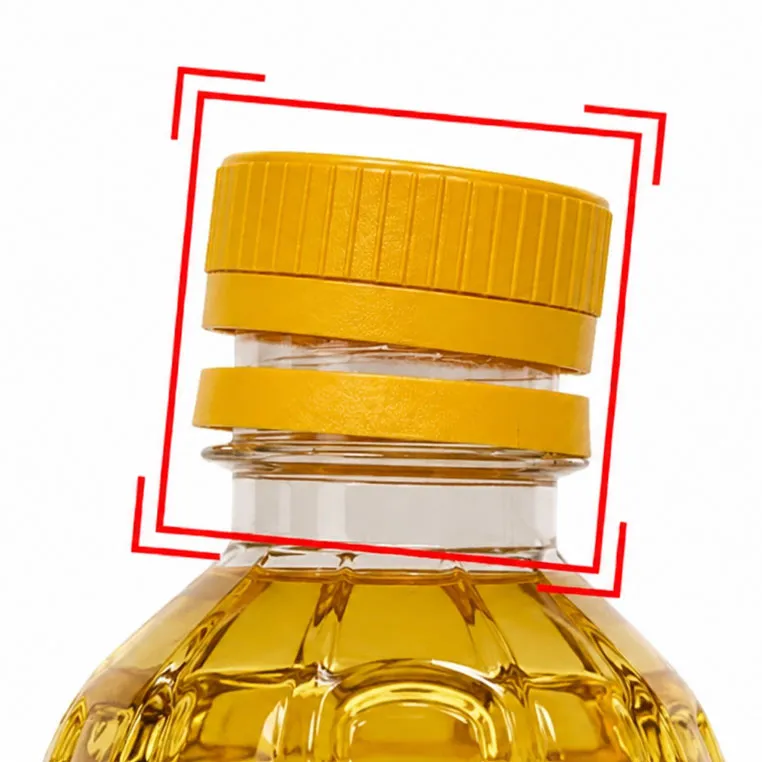
One of the most common problems in container capping is incorrect cap positioning. This may involve a tilted cap, crossed thread, incomplete closure or misalignment in relation to the neck of the container. Although the defect may appear minor at first sight, its consequences can be significant.
A poorly positioned cap can compromise the seal of the container, cause leaks during transport or storage, allow product contamination and generate customer complaints. In liquid, food or pharmaceutical products, this type of defect can turn an apparently correct container into a non-marketable product.
The difficulty lies in the fact that these defects are not always easy to detect visually, especially when the line is operating at high speed. This is where machine vision provides a clear advantage: it can inspect each container individually and detect deviations that may go unnoticed in manual inspections or with more basic sensors.
Incorrect torque: neither too loose nor too tight
Another common issue is incorrect torque, meaning that the cap is not tightened according to the required parameters. If the cap is too loose, the container may open during transport, leak product or become exposed to contamination. If it is too tight, it may be difficult for the consumer to open, deform the container, break the cap or damage tamper-evident seals.
The industrial challenge is to maintain consistent closure quality in lines handling high volumes and operating at high speeds. Any mechanical deviation, incorrect adjustment or variation in format can result in repeated defects. For this reason, closure control should not be understood merely as a final inspection, but as a tool to maintain process stability.
Missing caps: a critical defect
The absence of a cap is one of the most serious defects in a packaging line. In high-speed environments, some containers may leave the line without a cap, especially if there are problems with cap feeding, positioning or synchronisation in the capping system.
This defect has a direct impact: the product is exposed, cannot be marketed and may pose a health risk. In sectors such as food and pharmaceuticals, an uncapped container may require the line to be stopped, full batches to be checked or even product to be withdrawn if the defect is not detected in time.
CheckCap is designed to inspect, among other parameters, the presence or absence of caps, lids and closures, as well as closure quality, inclination, height, colour and possible component defects or missing elements.
Format variability and frequent product changeovers
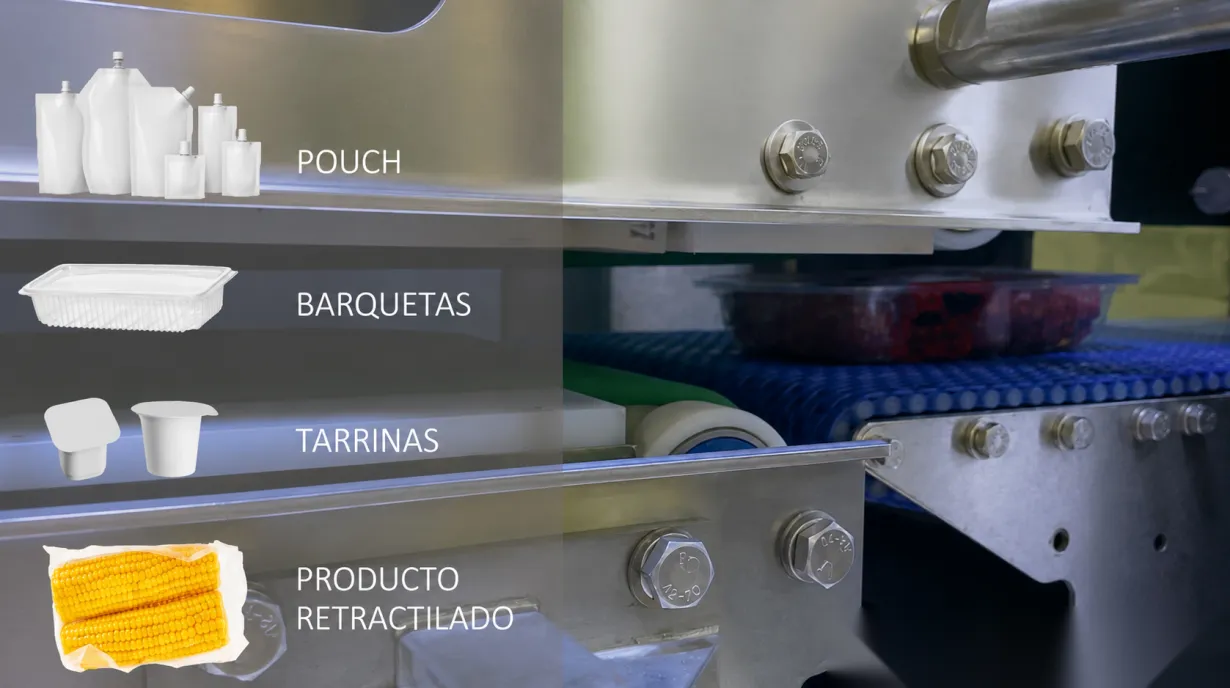
Production plants are increasingly working with more SKUs, more container sizes, different cap types and frequent format changes. This variability increases process complexity and raises the risk of configuration errors.
Each format change may involve mechanical adjustments, parameter modifications, start-up tests and validations. If these changes are not properly controlled, defects may appear, such as incorrect caps, heights outside tolerance or poorly positioned closures.
This is why an inspection solution must be adaptable. CheckCap can be adapted to different container formats and types of closure, making it especially useful in production environments with multiple product references.
High production speeds and real-time detection
Modern production lines can operate at hundreds of containers per minute. This creates an obvious challenge: detecting defects in real time without slowing down production. It is not enough to inspect; the system must do so quickly, accurately and in synchronisation with the rejection of defective containers.
It must also avoid false rejects, as removing correct containers generates unnecessary losses. At the same time, it must prevent false negatives, as allowing a defective container to continue through the process can have far more serious consequences. The quality of the vision system, lighting, analysis software and line integration are all decisive factors in achieving reliable inspection.
CheckCap enables inspection directly on the production line without stopping the flow of bottles or containers. It can also be installed with different rejection options to remove defective units correctly.
Complex visual defects and the limitations of conventional systems
Not all defects are easy to detect. Slight cap inclinations, thread damage, cap deformation, incorrect colours, capsule defects or problems with tamper-evident seals can be difficult to identify with traditional sensors.
Conventional systems may generate false positives or false negatives when product variations are subtle or when there are natural changes in container position, colour, brightness or appearance. This is where machine vision with artificial intelligence delivers significant added value.
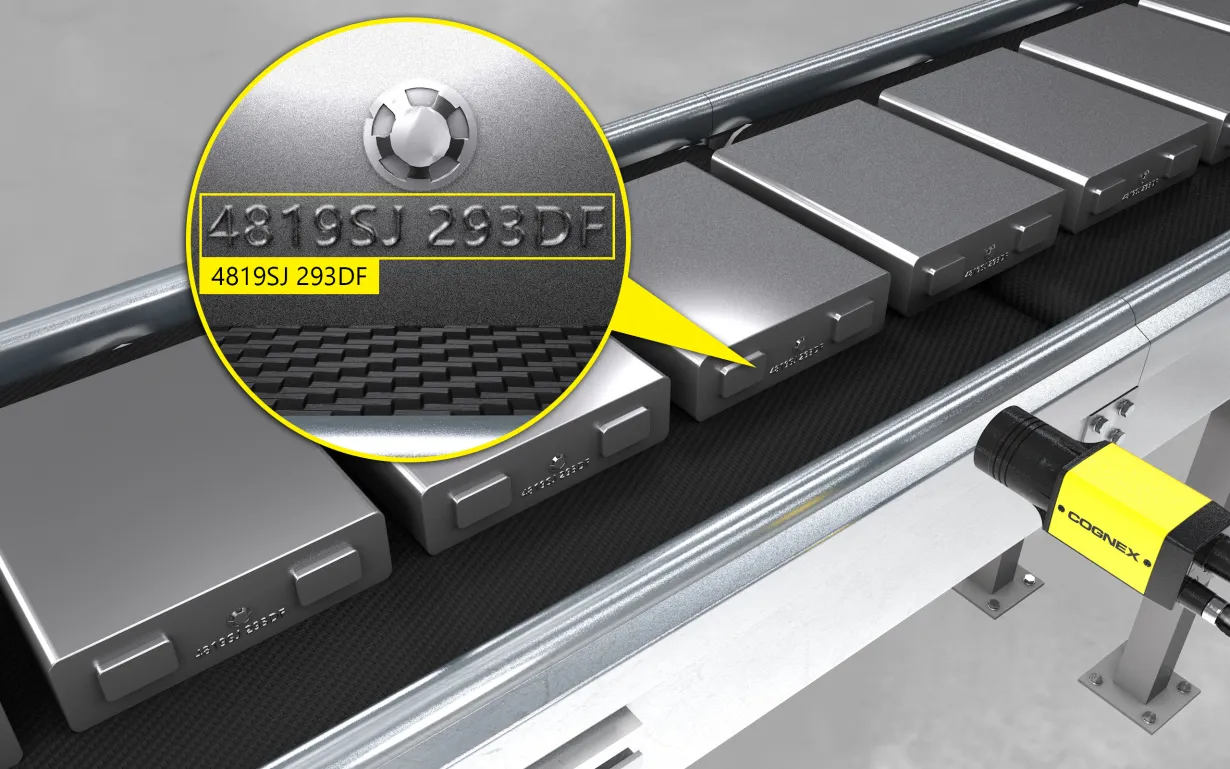
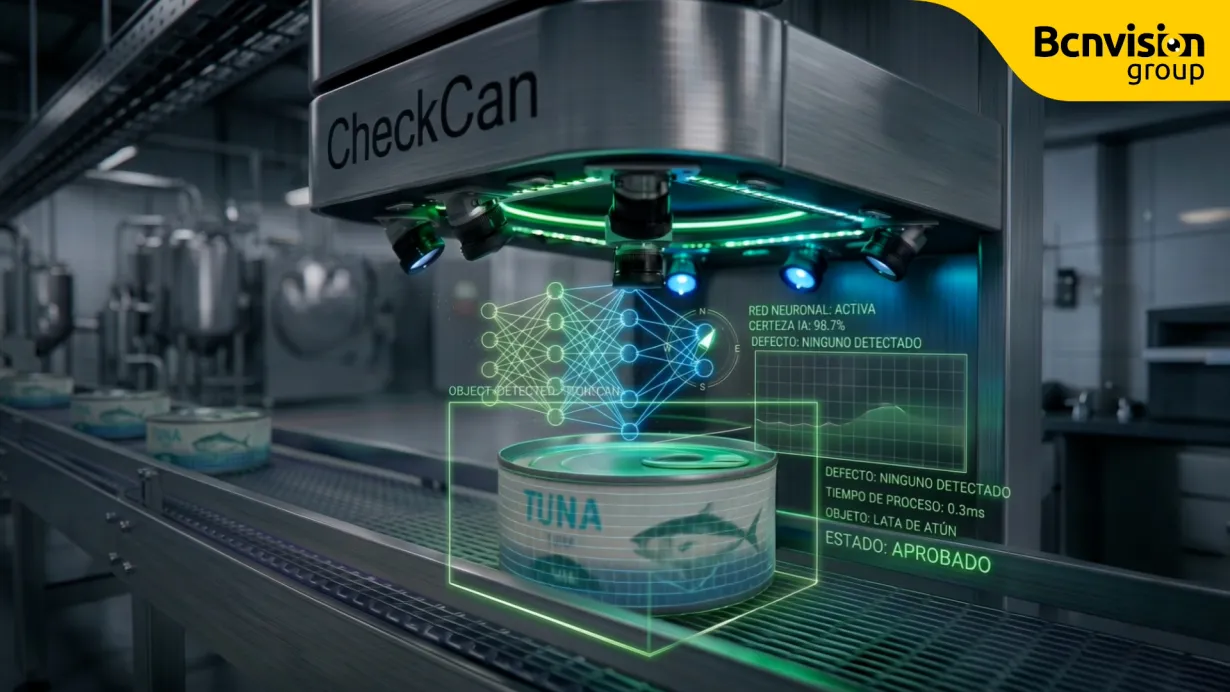
CheckCap integrates AI through neural networks capable of learning the ideal appearance of each product, container and label. This allows the system to detect subtle or unpredictable defects while tolerating normal product variations without compromising inspection reliability.
Tamper-evident seals and TE bands
Tamper-evident seals and TE bands are particularly important in beverages, food and pharmaceutical products. A broken band, incomplete seal, damaged bridges or signs of previous opening may indicate closure problems or potential product tampering.
This type of defect directly affects consumer perception of safety. A container with a damaged tamper-evident seal creates distrust, even if the product inside is in perfect condition. In regulated markets, it may also lead to non-compliance with quality or safety requirements.
Traceability and continuous improvement
Detecting defects is important, but recording the information is even more valuable. Many production lines do not have sufficient data on incidents, defect trends or quality statistics. Without this information, it is difficult to analyse root causes, anticipate recurring problems or support decisions during audits.
CheckCap includes automatic defect logging for analysis and continuous improvement. This helps transform inspection into a useful source of information for production, maintenance and quality teams.
Conclusion
Capping problems should not be seen as isolated incidents, but as indicators that may affect product safety, line efficiency and brand reputation. Misaligned caps, missing closures, damaged tamper-evident seals, format variations and visually complex defects require inspection systems capable of working with precision, speed and traceability.
In this context, CheckCap by Bcnvision offers a solution designed for the real needs of industry: automatic in-line inspection, adaptability to different containers and closures, detection of complex defects and defect logging for process improvement. It is not only about detecting incorrect caps, but about protecting product quality before it reaches the market.