Bottle case-packing inspection at the end of the line
A case of bottles leaves the production line, is sealed, palletised and shipped to the customer. If a bottle is missing or the case contains the wrong product reference, the error is only discovered once it has become expensive to correct. That is why bottle case-packing inspection is one of the most cost-effective points to monitor in a bottling plant.
End-of-line case packing is often underestimated. It is easy to assume that if the filler, labeller and capper are all working correctly, the case will leave the line in perfect condition too. In reality, many issues arise precisely at this final stage, leading to complaints, returns and logistics costs that are rarely traced back to their true source.
What is bottle case-packing inspection?
It is the automatic verification of the contents of each case or blister pack before sealing and dispatch. A machine vision system captures images of the packed product, analyses them and decides in real time whether the case meets the defined criteria. If it does not, the system instructs the line to reject it.
The aim is to ensure that each case contains exactly what it should, no more and no less. And that every single unit produced is checked, without relying on sampling or on the attention of an operator at the end of a long shift.
The most common case-packing defects
These are the defects most likely to slip through when inspection is manual or non-existent.
● Incomplete cases. One or more bottles are missing, and the customer notices before you do.
● Bottles lying down. The bottle is inside the case but in the wrong position, creating a risk of leaks, breakages or poor presentation.
● Mixed product references. Two similar products end up in the same case because a format or batch change was carried out without properly clearing the final section of the line.
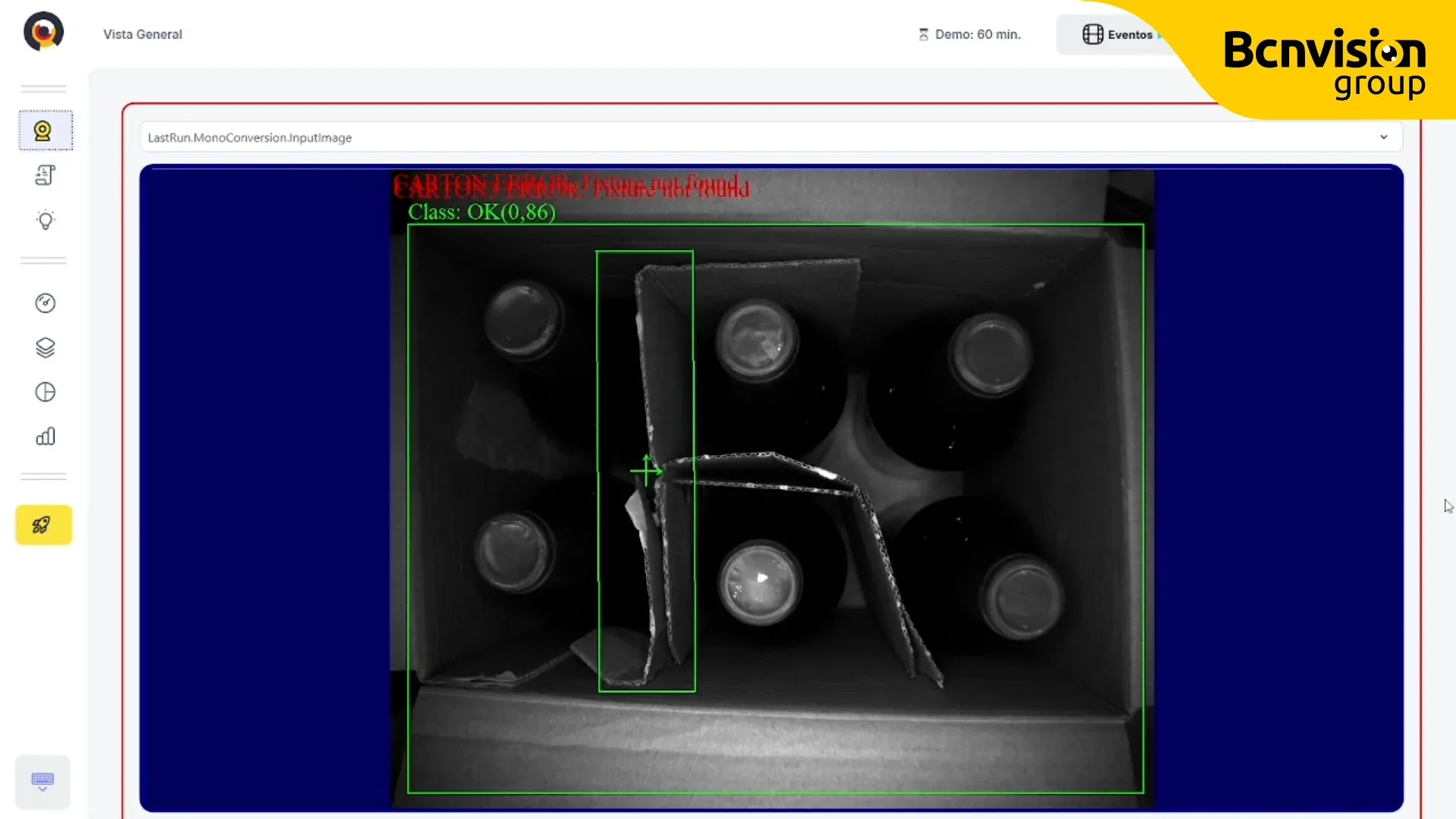
● Missing cardboard dividers. The case leaves the line without the intended protection, increasing the risk of damage during transport.
None of these issues is necessarily serious for production itself. They are serious for your reputation. A case with one bottle missing generates a complaint, while a mix of product references can result in the return of an entire order.
How a machine vision case-packing inspection system works
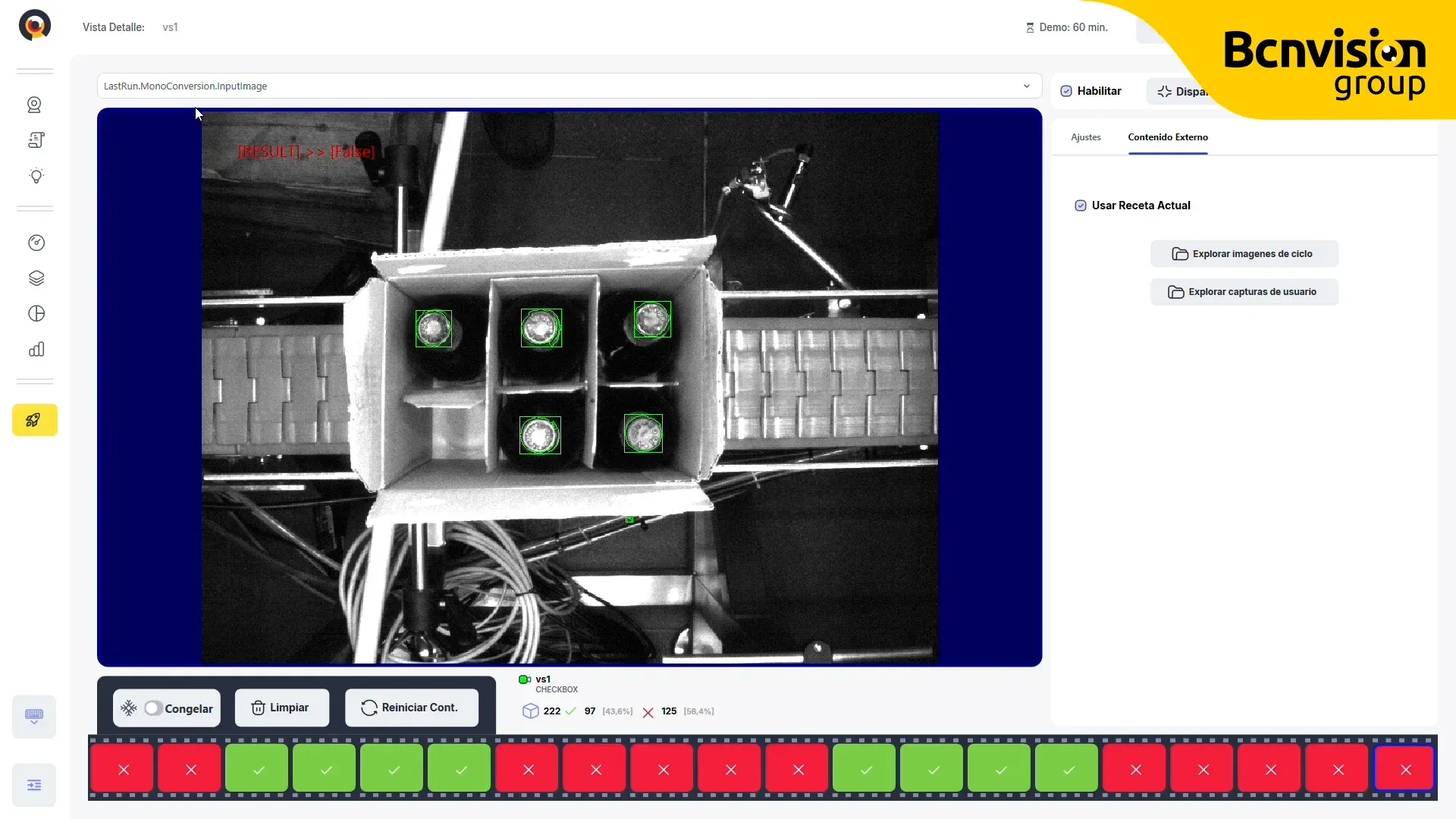
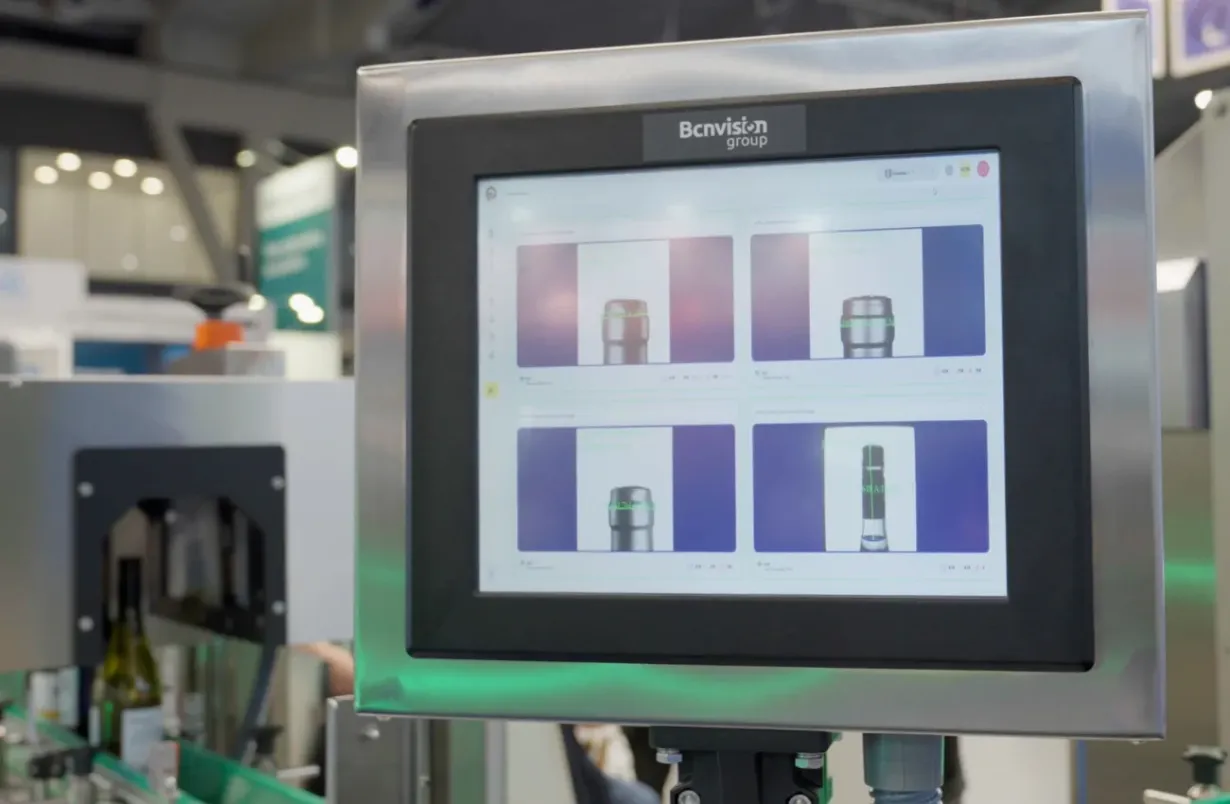
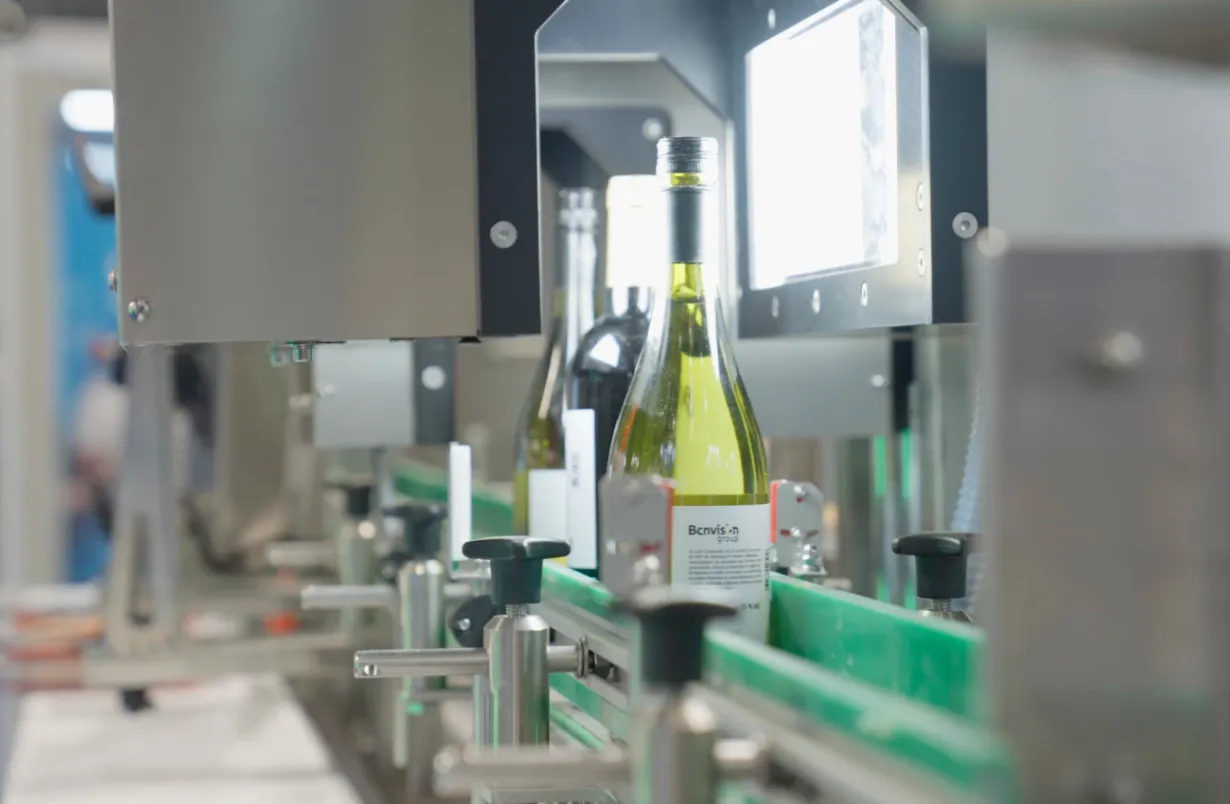
The principle is simple. One or more cameras are positioned above the packing point. As the case passes through, the system captures an image and analyses it according to the defined criteria. The result is converted into an accept or reject signal, which activates a rejection system on the line.
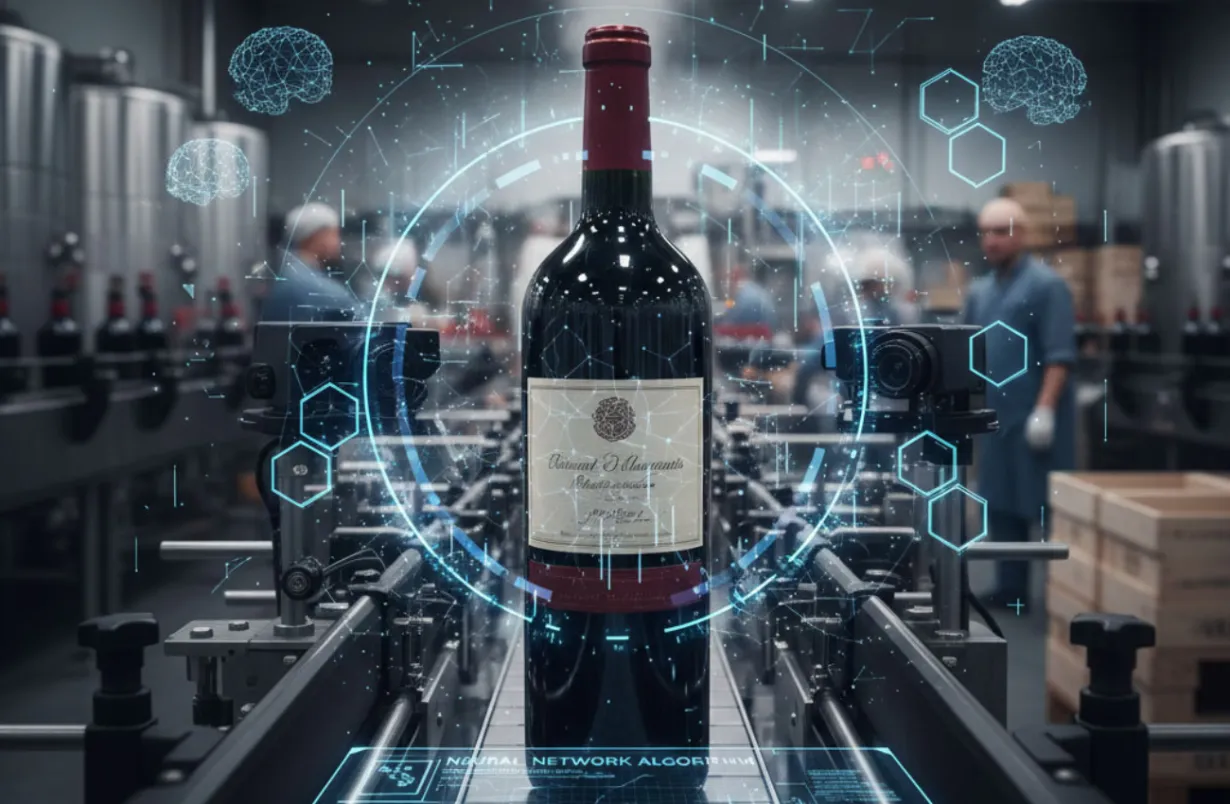
What makes the difference is Cortex software with Artificial Intelligence. With traditional machine vision, every format change requires rigid rules to be reprogrammed. With AI, neural networks learn the correct appearance of each product and tolerate normal variations without causing false rejects, while still detecting subtle or unpredictable defects.
Thanks to Artificial Intelligence and Cortex Software, CheckBox can handle different bottle heights and enables fast format changes.
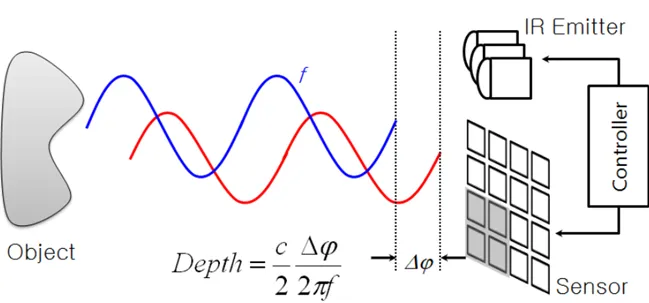
Depending on the application, 2D or 3D vision technologies can be combined. 3D vision is particularly useful when heights need to be measured or volumes distinguished, which is common when bottles of different sizes run on the same line.
CheckBox, Bcnvision’s bottle case-packing inspection solution
CheckBox is Bcnvision’s end-of-line solution for inspecting cases or blister packs of bottles. It is installed before sealing and checks that the packed product is correct.
Its main functions cover the defects described above.
● Bottle counting, with presence and absence detection.
● Detection of bottles lying down.
● Cap or capsule inspection to identify mixed product references.
● Detection of missing cardboard dividers.
The system runs on Bcnvision Group’s Cortex Software, which enables it to cope with different bottle heights and carry out fast format changes. For plants producing several product references, this reduces downtime between batches and prevents the inspection process from becoming a bottleneck.
The system supports different rejection options, allowing defective cases to be removed in a way that suits each production line layout without interfering with the flow of accepted cases.
Benefits of inspecting bottle case packing in every case
Safety and quality assurance. 100% of production is inspected, rather than just a sample. Any visible case-packing defect is detected before the case leaves the plant.
Cost-effectiveness. Correcting a case on the line takes seconds. Handling a complaint, return or product recall costs far more and also consumes time across logistics, quality and customer service teams.
Customer loyalty. A customer who consistently receives complete and correct cases eventually stops checking them. That level of trust is difficult to earn and very easy to lose with a single incorrect delivery.
Common mistakes when implementing case-packing inspection
A common mistake is to install the inspection point too early in the line, before packing is fully complete, leaving the final stage unchecked. Inspection should take place once the case is complete but still open, immediately before sealing.
Another mistake is to size the system for only one product reference. If the plant changes formats regularly, it is better to choose a solution capable of handling different bottle heights and formats without lengthy recalibration.
A third, equally common mistake is to overlook the rejection system. Detecting a defect is of little use if the defective case can continue down the line because there is no properly positioned reject mechanism.
Frequently asked questions about bottle case-packing inspection
What is bottle case-packing inspection?
It is the automatic inspection, using machine vision, of the contents of a case or blister pack of bottles before it is closed. It checks that all bottles are present, correctly positioned and match the intended product reference.
What defects can a case-packing inspection system detect?
It can detect missing bottles, bottles lying down, incorrect caps or capsules and missing cardboard dividers. This prevents incomplete cases and mixed product references.
Is it suitable for lines handling different bottle formats?
Yes. With artificial intelligence and the right software, the system can accommodate different bottle heights and enable fast format changes without having to reconfigure the entire inspection process.
One final inspection before the case leaves your plant
Bottle case-packing inspection at the end of the line closes the quality control loop at the very point where errors are most likely to go unnoticed. With CheckBox, every case is inspected before sealing and defective cases are automatically removed from the line.
If you would like to see how this solution could be adapted to your bottling line, tell us about your application and we will assess it with you.