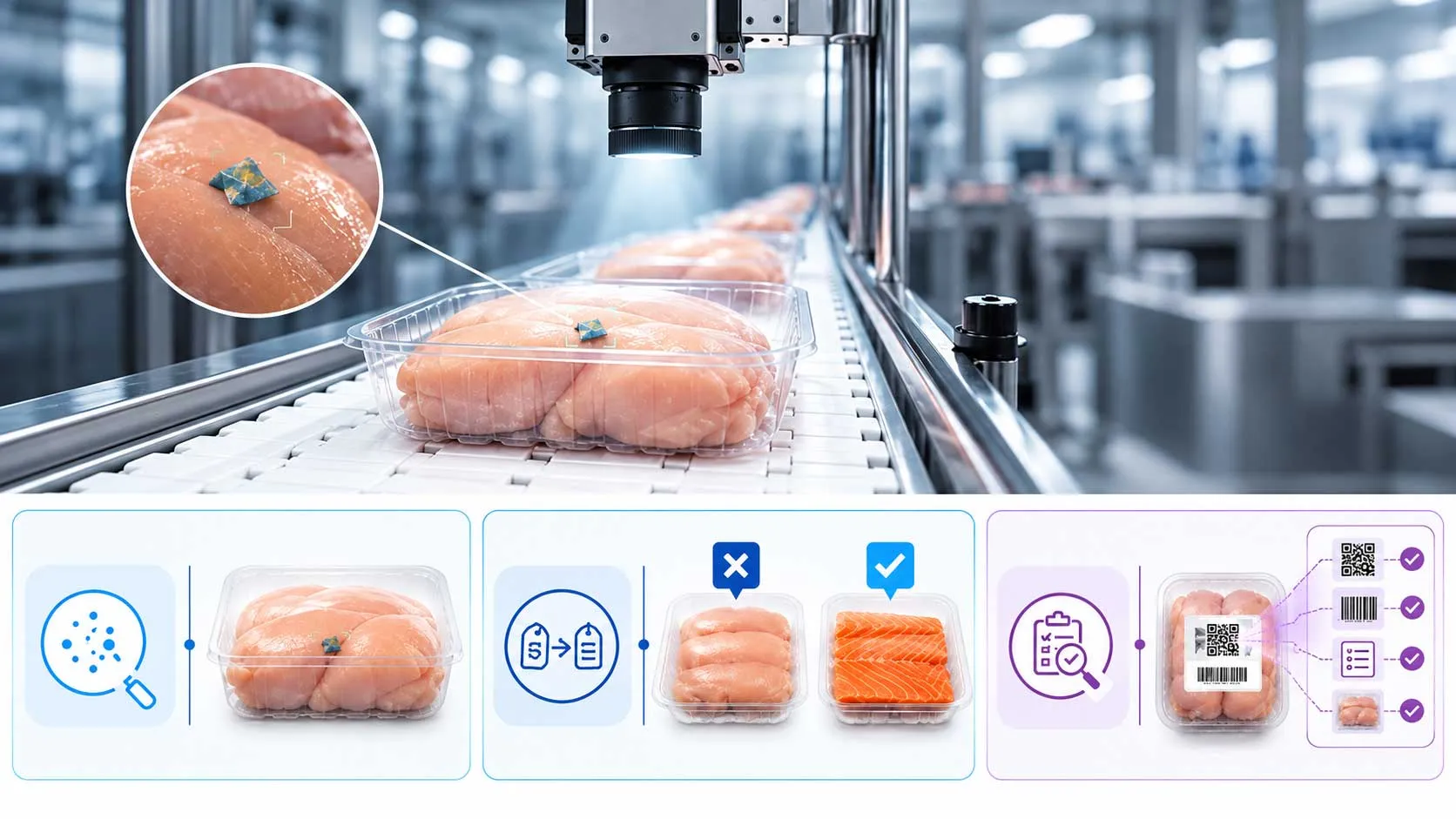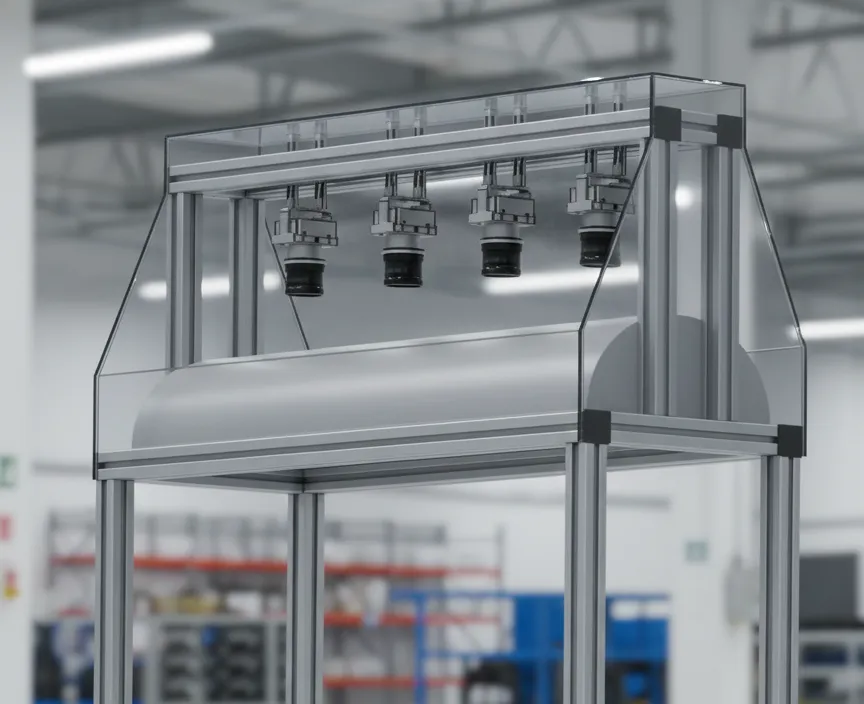


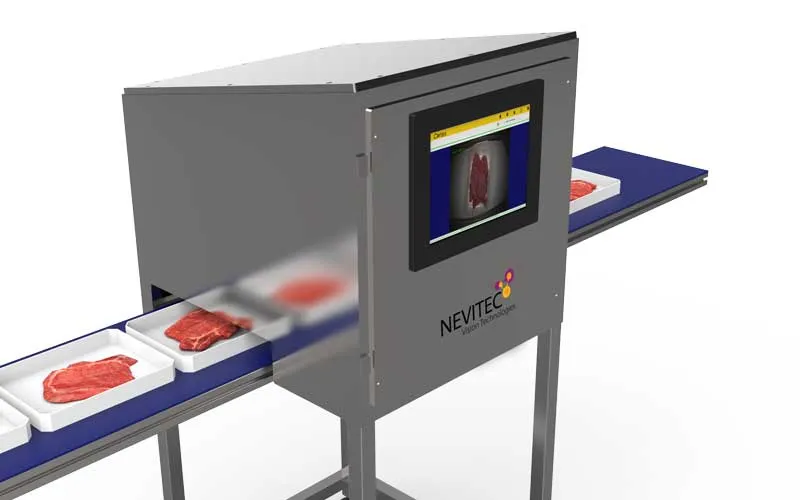
This system integrates artificial intelligence applied to vision. Deep Learning uses neural networks that mimic the human brain, capable of identifying products by their characteristics while tolerating some variations. This technology combines the flexibility of human visual inspection with the speed and reliability of an artificial vision system.
Inspections:
- Surface foreign body detection and cross-contamination
- Cross-reference detection
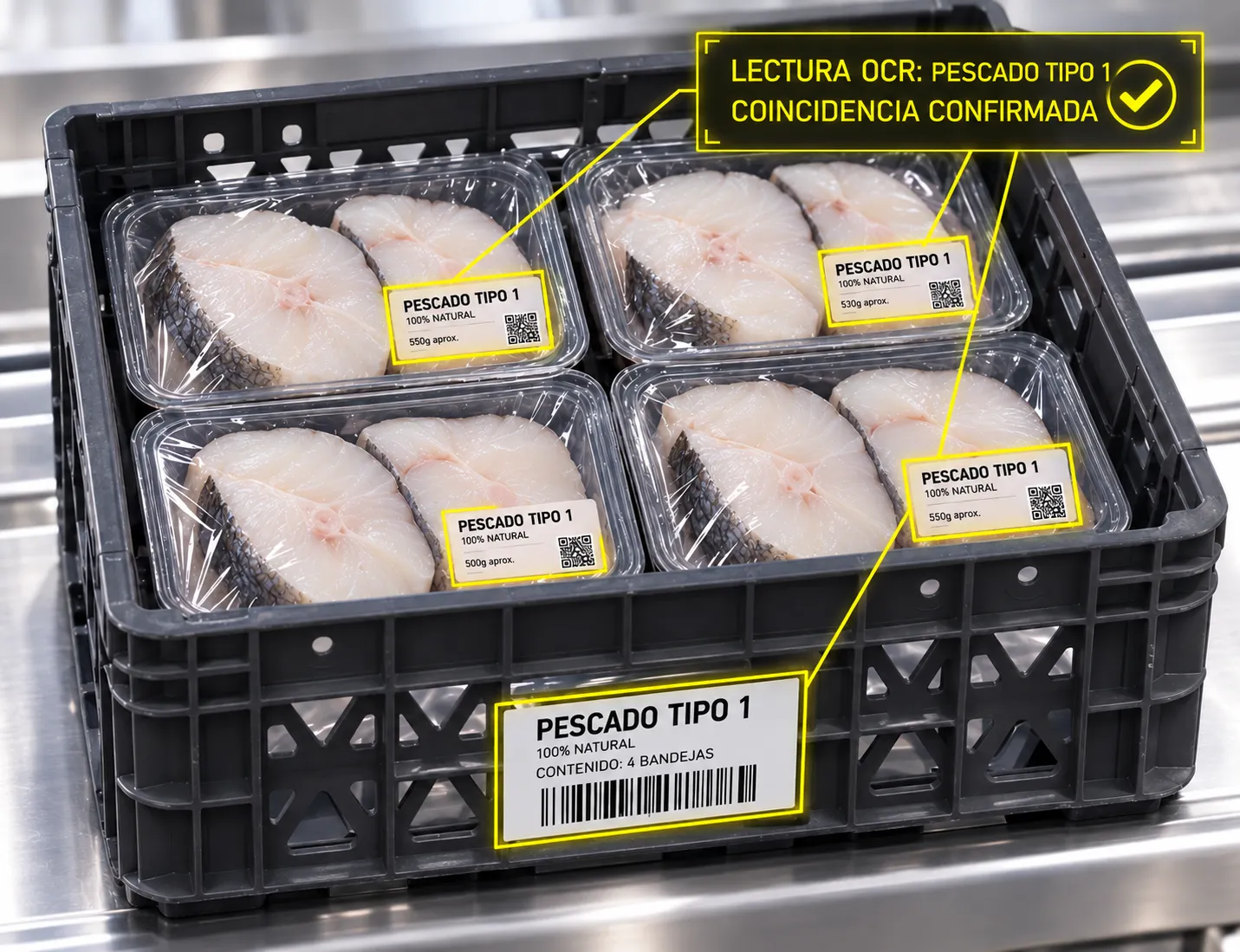
- Comparison and verification of the product against content information (RFID, 1D/2D code, OCR vs image)
Additional inspections you can add:
- Identification of surface defects using Deep Learning, such as stains, discolorations, foreign objects, dirt, etc.
- Detection of metallic particles within the product
- Detection of internal foreign bodies not visible externally using X-ray: metal, glass, bones, dense plastics
- Verification of internal content (uniformity, filling, integrity)
- Verification of product reference according to batch or production order
One solution. Three ways to classify:
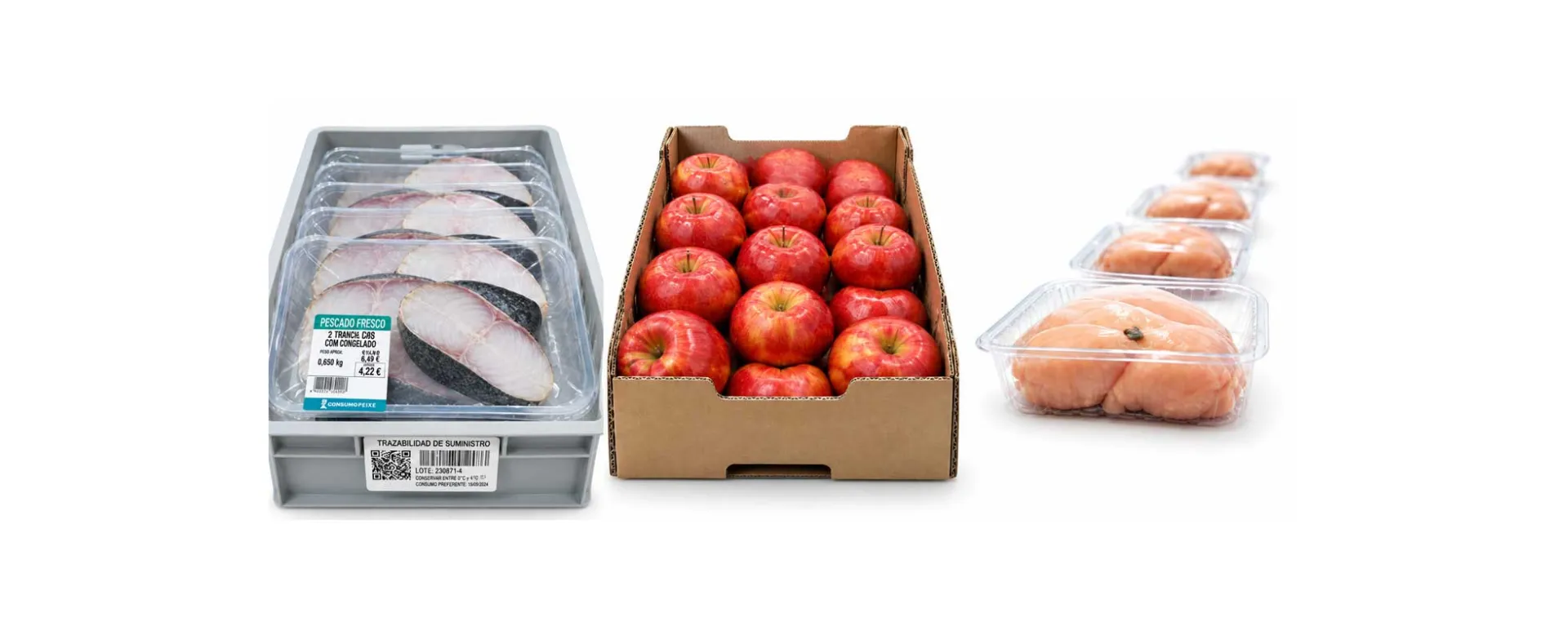
- Cut-up Product Classification
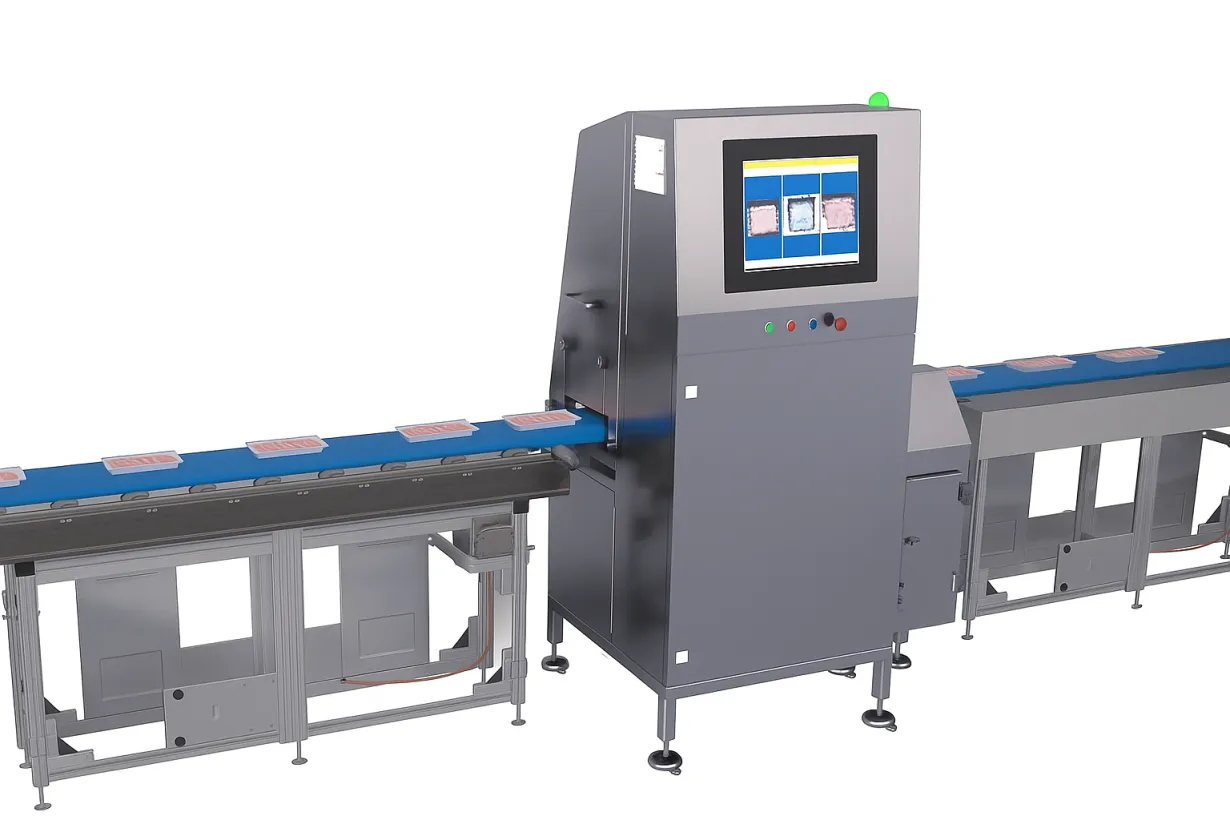
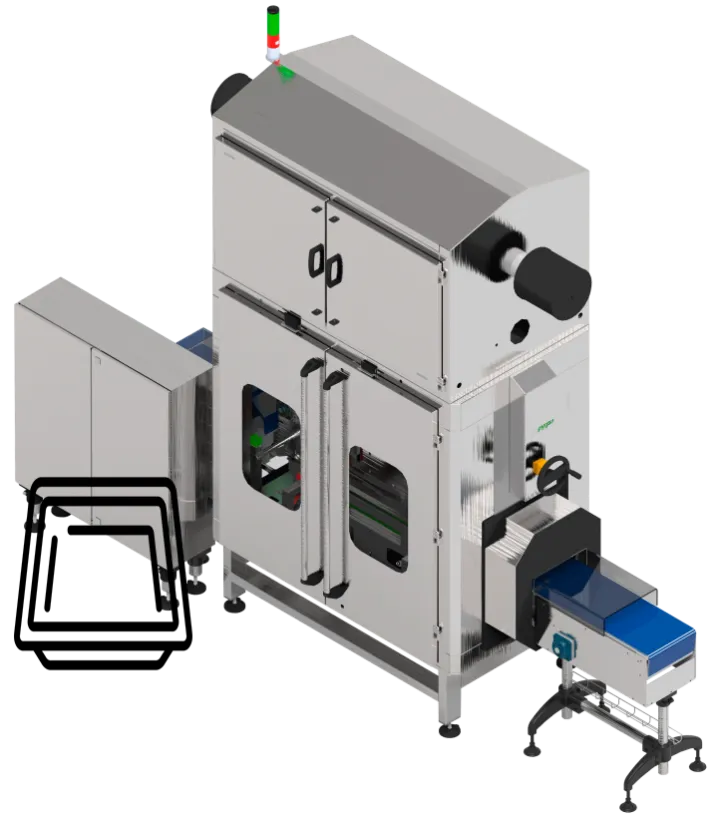
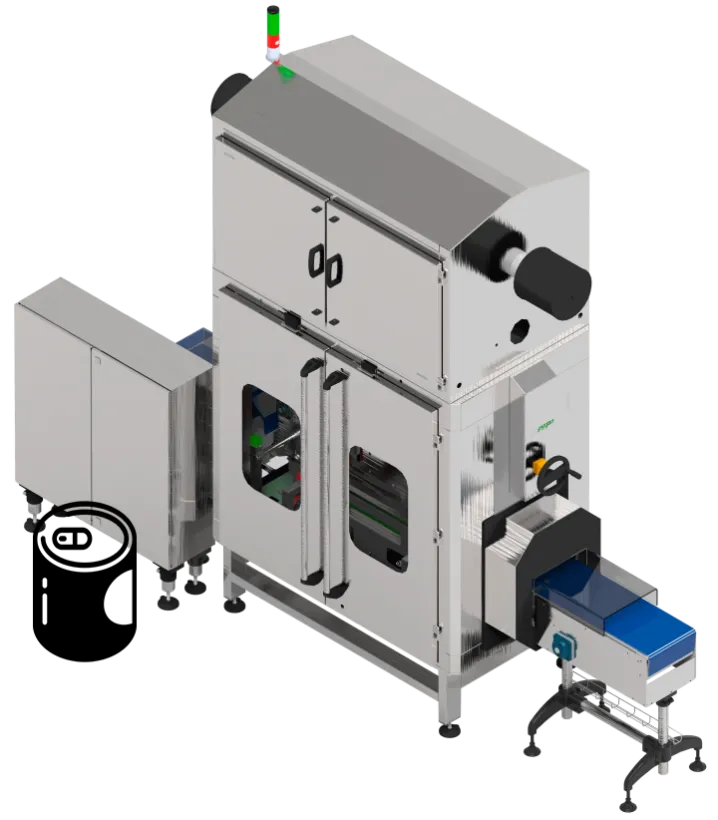
Automatic identification and classification of products after cutting and processing CheckSorter uses machine vision and artificial intelligence to automatically identify and classify products after the cutting process, while the trays move along the production line.
The system recognises previously trained references and determines the corresponding classification based on the product’s visual characteristics, automating the process and reducing reliance on manual inspection. It can also incorporate additional controls to detect surface foreign bodies or cross-contamination, identify incorrect references, and verify the correspondence between the product and its associated information using RFID, 1D/2D codes or OCR.
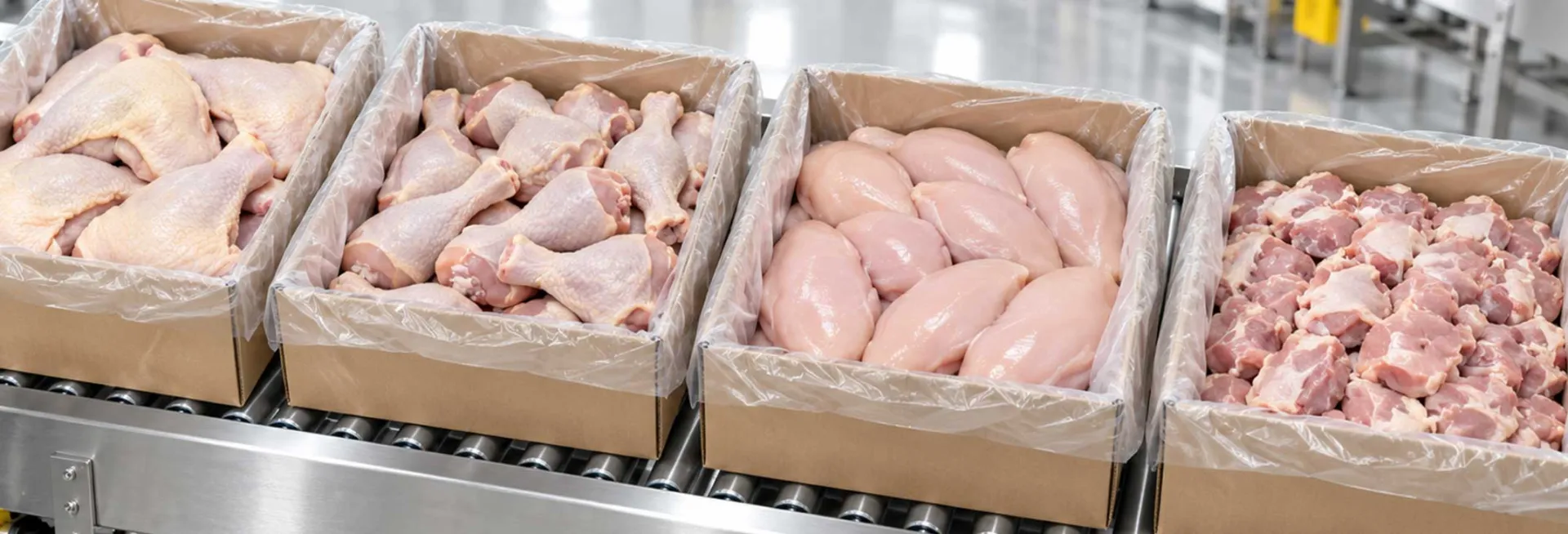
- Tray Classification
Intelligent tray classification based on product and quality CheckSorter can automatically identify and classify trays on the production line, even when there are natural variations in the appearance of the products. Deep Learning technology recognises the characteristics learned for each reference and automatically differentiates between products.
This classification can be complemented with quality controls such as the detection of stains or foreign bodies, as well as verification of the internal content, uniformity, filling or integrity. The product reference can also be checked according to the production batch or production order.
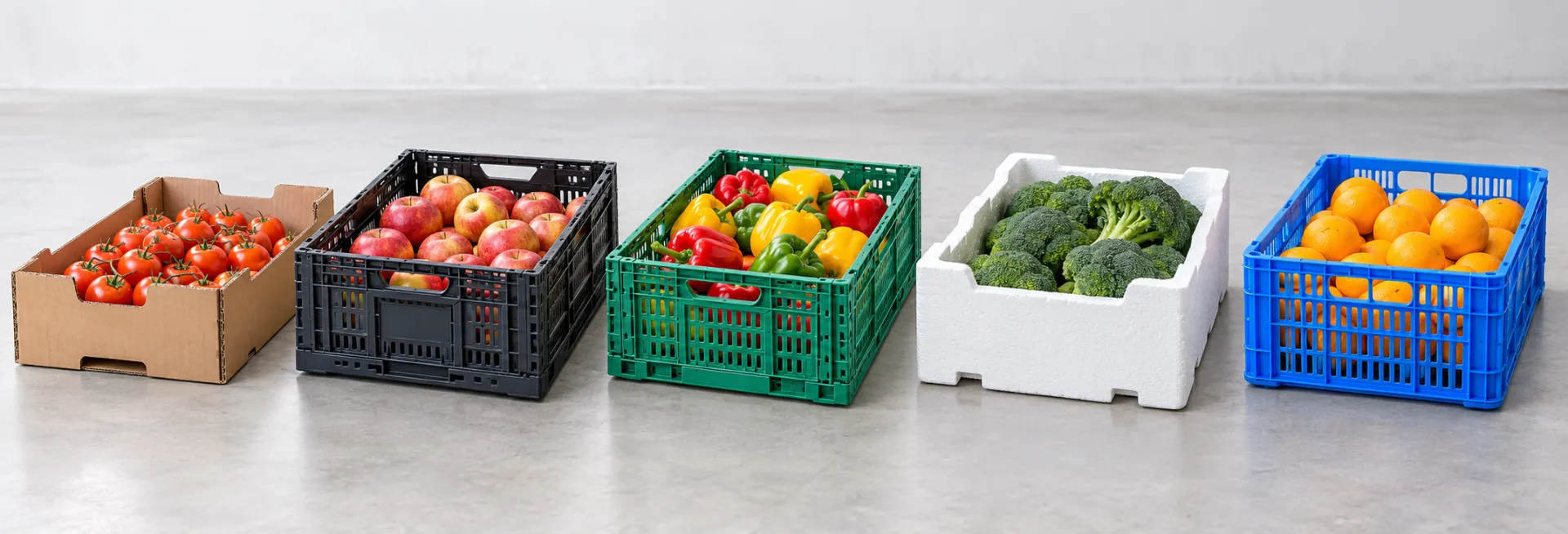
- Logistics Classification
Automatic classification to ensure product-label correspondence In logistics applications, CheckSorter can automatically classify products and verify that the product corresponds to its identification.
The solution can combine information obtained through machine vision with 1D/2D code, OCR or RFID reading, facilitating reference identification and product traceability throughout the process.